
 Nöbetçi Eczaneler



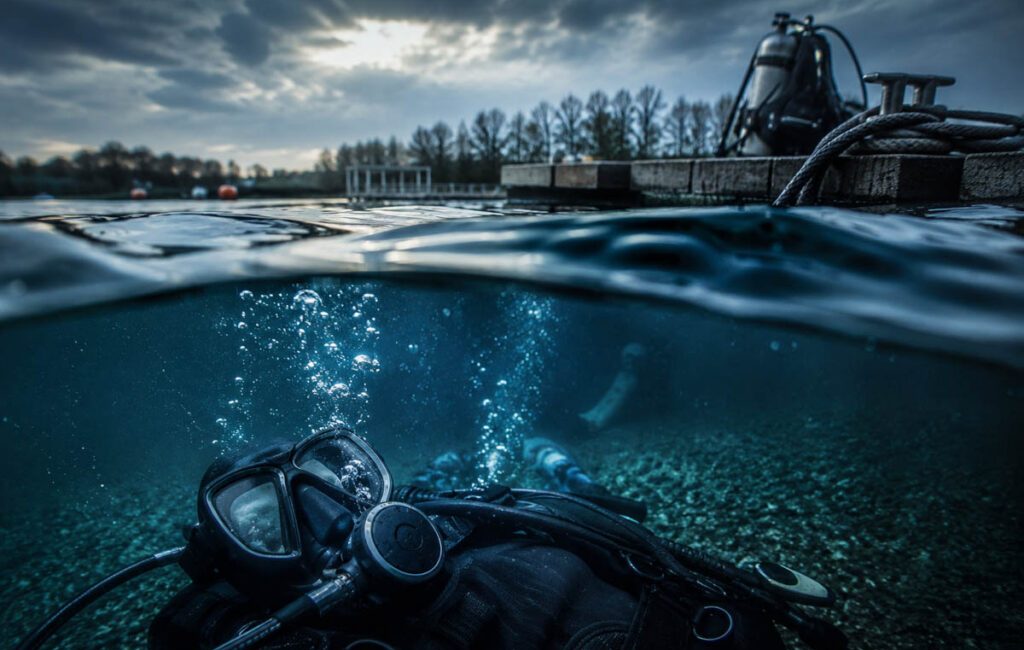
A senior UK coroner has raised concerns about diver training, medical requirements and industry guidance following the death of a volunteer safety diver, warning that similar fatalities could occur unless action is taken.
The concerns are contained in an official Regulation 28 Prevention of Future Deaths (PFD) report issued by Berkshire Senior Coroner Heidi Connor after the inquest into the death of Kevin John Lapwood, who died following a training exercise at Wraysbury Dive Centre in February 2022.
Lapwood, 63, was acting as a volunteer safety diver during a London School of Diving project when he entered the water on 12 February 2022. Although the lead instructor was working in a paid capacity, Lapwood was volunteering in a safety role.
The inquest heard that Lapwood had failed a Health and Safety Executive (HSE) diving medical in October 2021 after being found to have very high blood pressure and a body mass index above the permitted threshold. Despite informing the diving organisation that he had failed the medical, he did not undergo a further diving medical examination before participating in the project.
He experienced difficulties shortly after entering the cold water at Wraysbury Dive Centre. Despite immediate rescue efforts and treatment, he died the following day at Wexham Park Hospital.
The coroner concluded that Lapwood died as a result of immersion pulmonary oedema (IPO), with hypertension and coronary artery disease identified as contributing factors. The conclusion of the inquest was misadventure.
Coroner identifies wider safety concerns
Rather than focusing solely on the circumstances of the individual fatality, the coroner concluded that broader issues within the diving industry warranted national attention.
The Prevention of Future Deaths report was sent to both the Health and Safety Executive (HSE) and the British Diving Safety Group (BDSG), identifying several areas where improvements may help prevent future deaths.
Among the concerns highlighted were:
- A perceived lack of awareness of medical requirements for volunteers participating in diving projects.
- Limited understanding of the relationship between hypertension and immersion pulmonary oedema (IPO).
- Whether guidance for shore support and surface cover adequately defines their responsibilities, including maintaining continuous visual observation of divers.
- Potential confusion within HSE guidance over when the Diving at Work Regulations apply to volunteers working on organised diving projects.
- Whether doctors conducting HSE diver medicals should routinely advise divers who fail their medical about the specific risks of immersion pulmonary oedema.
Confusion over volunteer diving
A significant part of the report centres on how current guidance may be interpreted.
The coroner questioned whether the title and wording of the HSE’s Approved Code of Practice for recreational diving projects could lead volunteer divers or organisers to believe that certain legal requirements only apply to paid professionals.
Although the guidance does address volunteers, the report suggests the wording could be clearer to reduce the risk of misunderstanding.
Immersion pulmonary oedema
The report also draws attention to immersion pulmonary oedema (IPO), a condition that can develop rapidly during a dive when fluid accumulates in the lungs.
While many divers are aware that uncontrolled hypertension increases the risk of heart attack or stroke, the coroner expressed concern that awareness of its association with IPO appears to be significantly lower.
Increasing awareness of IPO among divers, instructors and medical professionals was identified as an important opportunity to improve safety.
Responses now required
Under Regulation 28 of the Coroners and Justice Act, organisations receiving a Prevention of Future Deaths report must respond to the coroner outlining any action they have taken or intend to take.
The report was addressed to both the Health and Safety Executive and the British Diving Safety Group, with copies also provided to interested parties including the London School of Diving, Wraysbury Dive Centre and PADI.
While a Prevention of Future Deaths report does not determine legal liability or wrongdoing, it serves to highlight matters where the coroner believes action could reduce the risk of similar deaths occurring in the future.
THE SCUBA NEWS Link !
DemirHindiSG
04 Temmuz 2026-14:07
