
 Nöbetçi Eczaneler







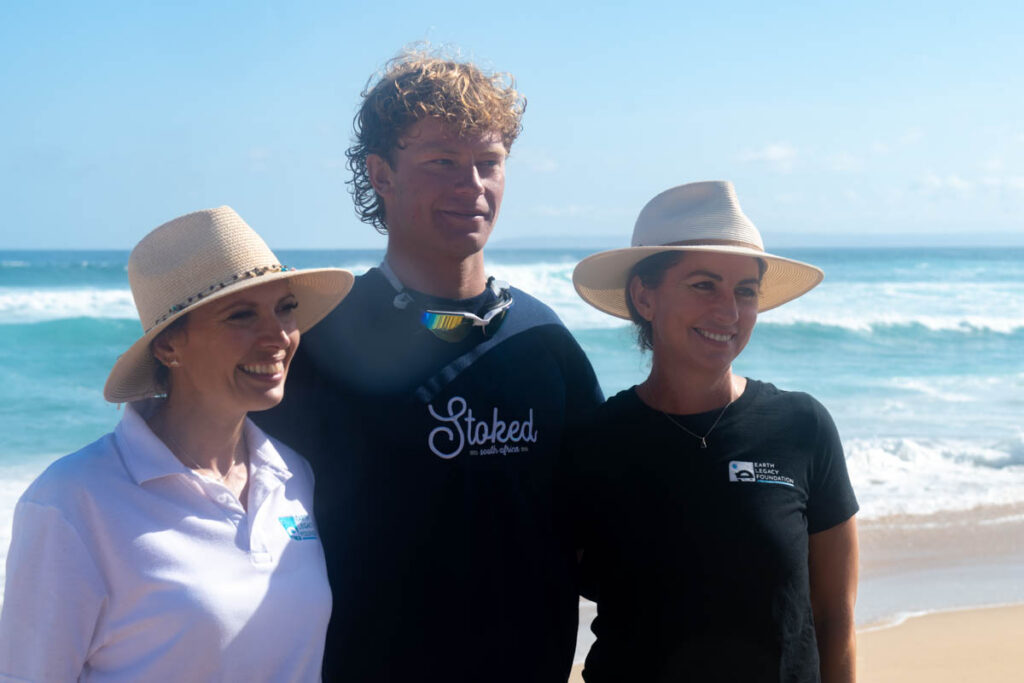
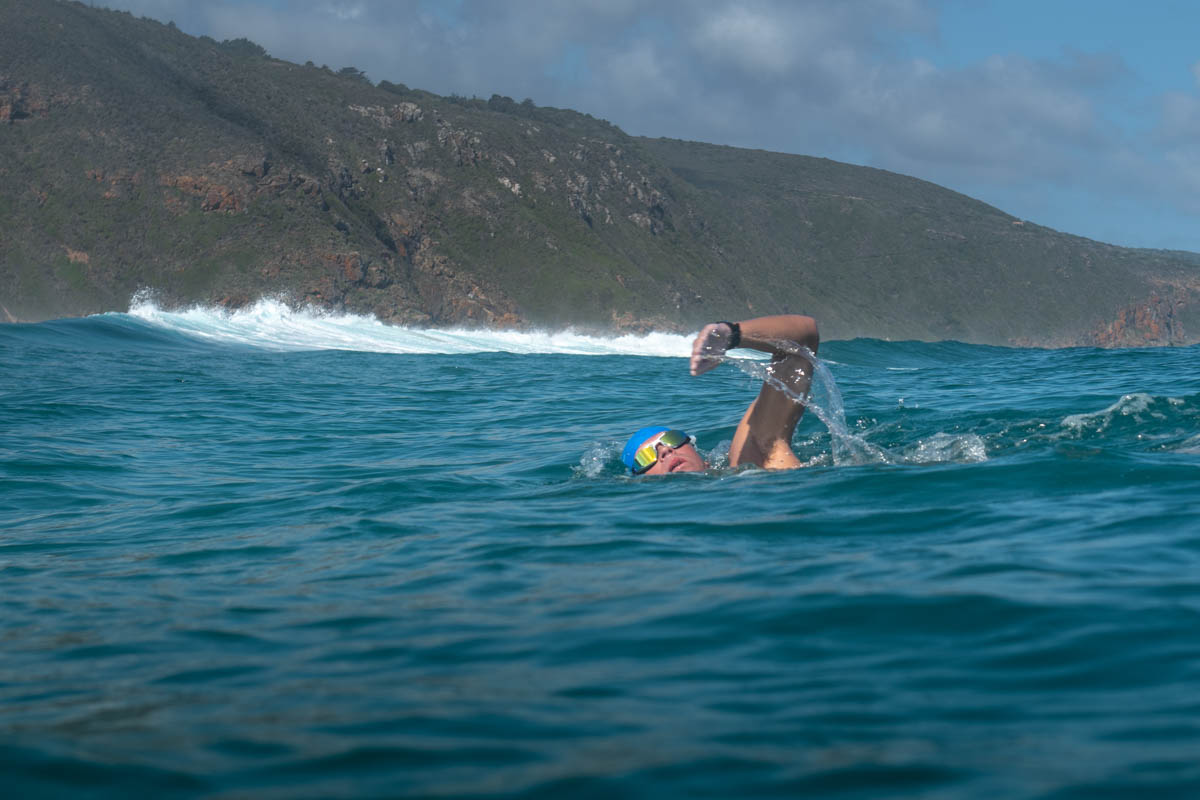
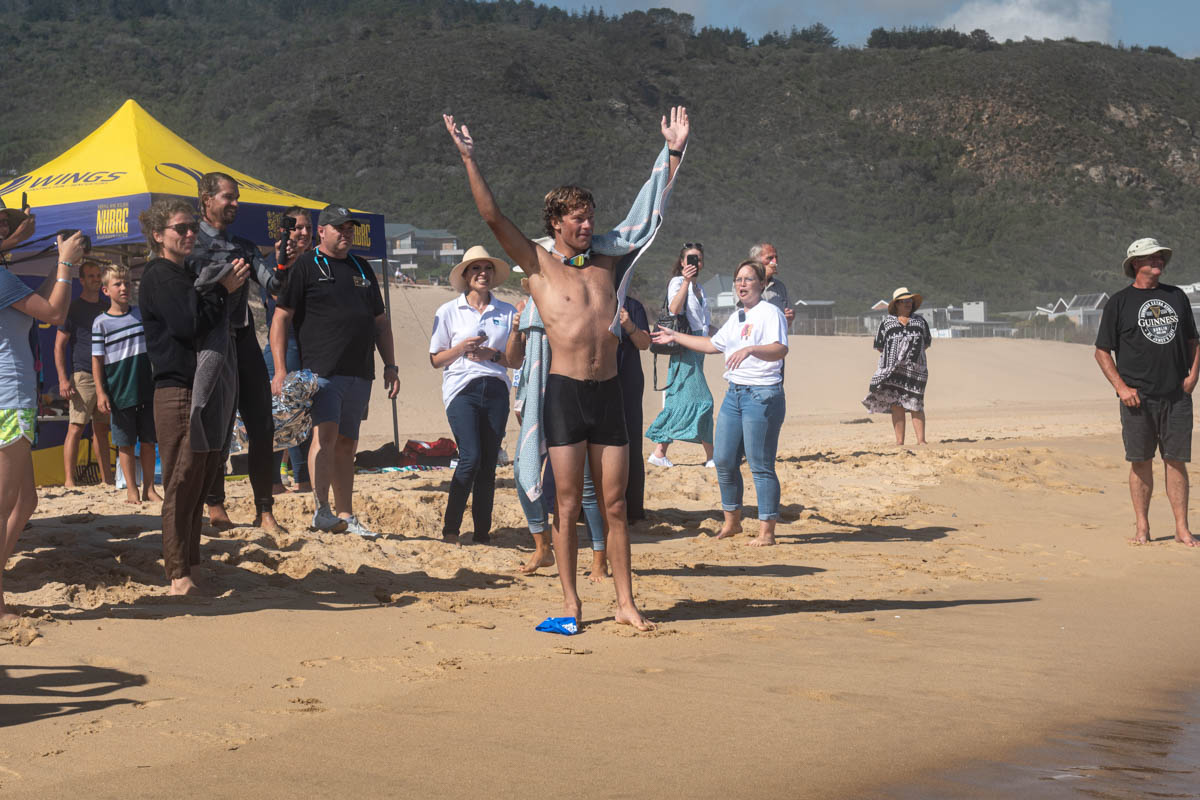
A 19-year-old swimmer has completed a gruelling 22-kilometre crossing of Mossel Bay, South Africa, drawing renewed attention to what conservationists say is a worrying decline in the region’s once-abundant shark populations.
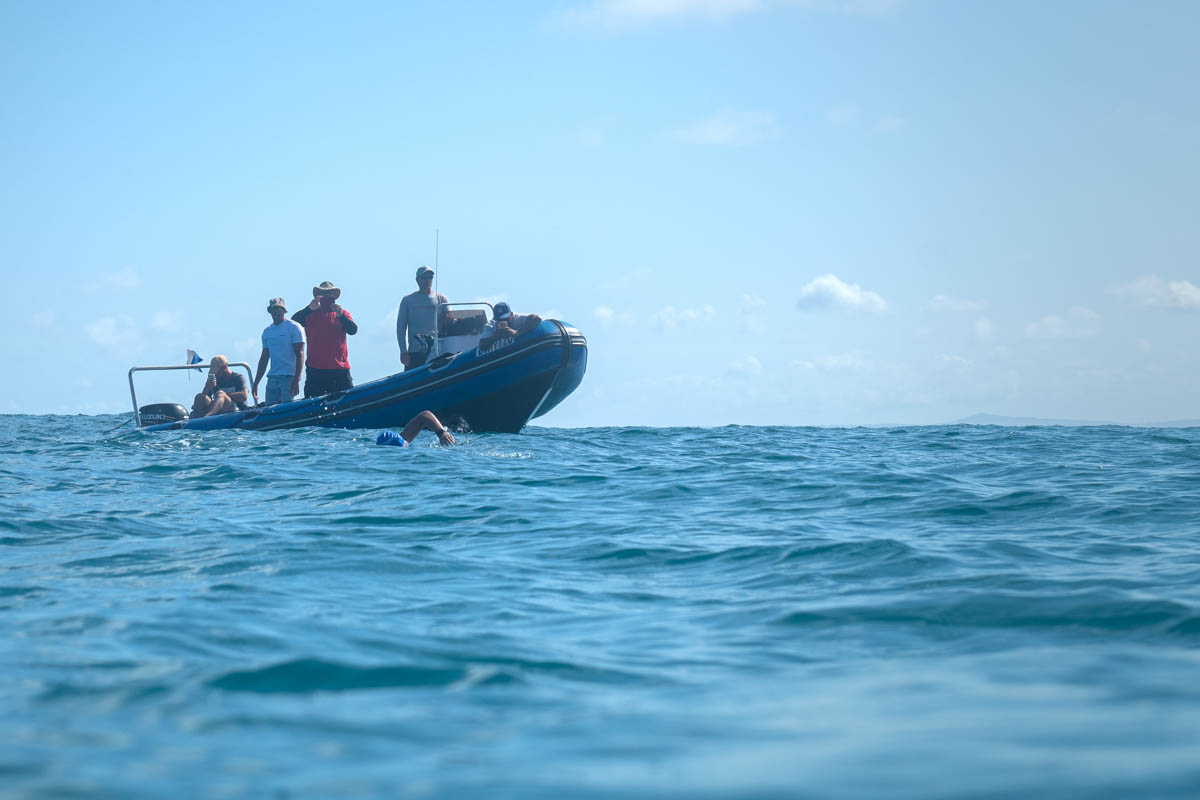
The swim, undertaken by Kane Johnstone through the youth-led conservation initiative Project DEEP in partnership with the Earth Legacy Foundation, stretched from The Point to Glentana and took more than nine hours to complete.
The effort was intended to highlight ecological changes in a bay that was historically known as one of South Africa’s most active shark hotspots.
What Johnstone encountered during the crossing, however, was not the dramatic encounters many might expect in shark-rich waters.
Instead, he described an unsettling absence of marine life.
“I didn’t see a fish. I didn’t see a ray. I didn’t see a shark. I didn’t even see krill, just particles in the water and sunbeams,” he said after completing the swim.
Johnstone battled heavy swell, strong currents and repeated bluebottle stings during the attempt. At one stage, his support crew recorded only nine metres of progress over an entire hour while he struggled against opposing currents.
Despite the difficult conditions, the most striking observation came toward the end of the journey.
“We used to see four, five, six sharks during a surf session here. I swam up that beach for hours and didn’t see one,” he said.
Officials Respond to Proposed Shark Catch Exclusion Zone
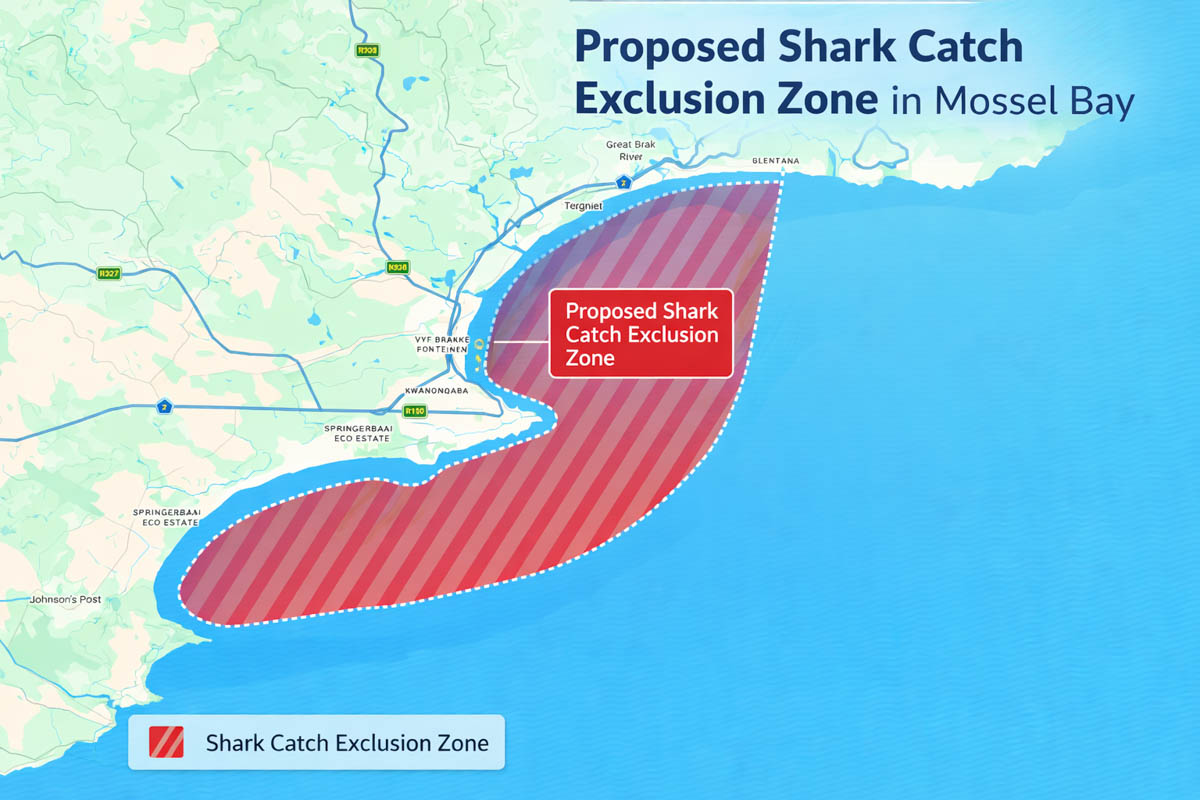
Shortly after the swim concluded, organisers say the South African Department of Forestry, Fisheries and the Environment confirmed that a delegation will visit Mossel Bay in early March to discuss the creation of a proposed Shark Catch Exclusion Zone.
The proposed zone would restrict targeted commercial shark fishing in the area, providing a refuge for species that conservationists believe are under growing pressure.
Mossel Bay historically supported regular sightings of bronze whaler sharks, hammerheads and great white sharks. Local divers, fishers and surfers have reported a noticeable decline in recent years.
While public attention has sometimes focused on orca predation on sharks along parts of the South African coast, conservation groups argue that sustained fishing pressure may be the more significant long-term driver of population declines.
Demersal shark longlining, a fishing method used to target species such as smoothhound sharks and soupfin sharks, can capture large numbers of sharks each year. Critics say the absence of strict species-specific catch limits in some fisheries has allowed removals to reach levels that may not be sustainable.
Advocates for the proposed exclusion zone argue that spatial management measures, including restricting shark-targeted fisheries in key habitats, could help stabilise local populations and restore ecological balance.
A Campaign Built Around a Bay
For Johnstone, the swim was both symbolic and deeply personal.
He first saw a great white shark in Mossel Bay when he was five years old, an experience that helped shape his fascination with marine life.
Fourteen years later, he returned to the same bay to highlight what many observers believe has changed dramatically beneath the surface.
The morning after the swim, he learned that government officials were planning to meet with stakeholders to discuss the proposed protection measures.
“When I heard they were coming to meet about the exclusion zone, I burst into tears,” he said. “It means more than my personal achievement. Way more. It means they heard us.”
Environmental organisations involved in the campaign say the upcoming meeting presents an opportunity for scientists, regulators, conservation groups and local communities to discuss practical solutions.
“The ocean is not just beautiful to look at, it is foundational to our very existence,” said Esther Jacobs, project director at Earth Legacy Foundation. “When we remove apex predators like sharks at industrial scale, we destabilise entire ecosystems.”
Another Swim Already Planned
Johnstone has already committed to a second endurance swim later this year.
The next challenge will cover the remaining 14 kilometres of coastline between Fransmanshoek and Dana Bay, completing the full stretch of the proposed Shark Catch Exclusion Zone.
“If I could swim every bay, I would,” he said.
The campaign hopes the effort will keep attention focused on Mossel Bay’s changing marine ecosystem and encourage dialogue around conservation measures that could help restore one of South Africa’s historically important shark habitats.
THE SCUBA NEWS Link !
DemirHindiSG 06 Mart 2026-13:07