
 Nöbetçi Eczaneler





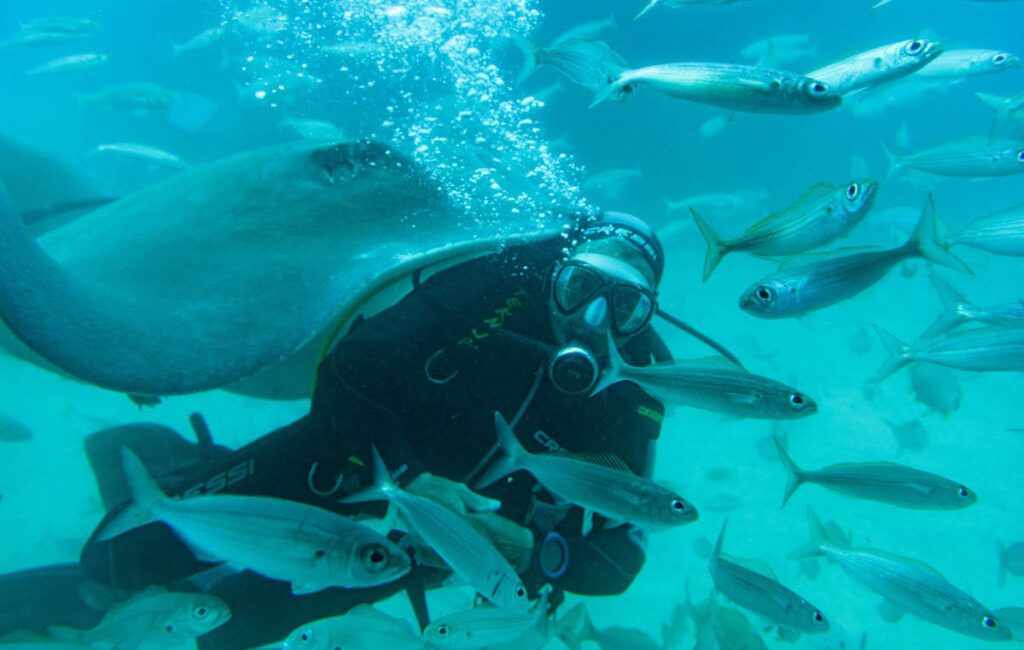
Scuba diving has a habit of turning a single experience into a lifelong pursuit. What starts as a holiday course often becomes something far deeper, shaping how people travel, relax, and connect with the ocean. But speak to experienced divers and one question comes up again and again: what do they wish they had known when they first learned to dive?
A wide-ranging discussion on the r/scuba subreddit, one of the most active online communities for divers, offers a candid look at the lessons many only learn after dozens or even hundreds of dives. The advice is rarely about destinations or gear. Instead, it focuses on fundamentals, mindset, and learning to slow down.
Buoyancy Is the Skill That Unlocks Everything
If there is one lesson repeated throughout the Reddit thread, it is the importance of buoyancy control. New divers often concentrate on depth limits or keeping pace with a guide, without realising that neutral buoyancy underpins almost every good dive.
Developing buoyancy through breath control and subtle BCD adjustments improves air consumption, reduces fatigue, and minimises contact with reefs. This emphasis mirrors the way buoyancy is treated in structured training such as PADI’s Peak Performance Buoyancy speciality, where trim and breathing are taught as core skills rather than optional refinements.
Divers who focus on buoyancy early consistently report calmer dives, better situational awareness, and greater overall confidence underwater.
Slowing Down Changes Everything Underwater
Another strong theme running through the discussion is how much new divers rush. Descents are hurried, fin kicks are inefficient, and breathing becomes shallow without the diver even noticing. Experienced voices stress that slowing every movement down makes an immediate difference.
Guidance from Divers Alert Network supports this perspective, highlighting relaxed breathing and controlled pacing as key contributors to safer, more enjoyable dives. When divers slow their breathing and movements, stress levels drop, air lasts longer, and awareness improves dramatically.
Many divers also note that slowing down reveals more marine life, transforming dives from box-ticking exercises into immersive experiences.
Local Training Builds Stronger Foundations
Several contributors reflected that completing training locally before travelling would have reduced pressure during their early dives. While tropical certification courses are popular, doing classroom sessions and confined water training at home allows students to focus on skill development rather than schedules.
Building familiarity with equipment and procedures before entering open water, particularly in current or limited visibility, creates confidence that carries forward into future dives anywhere in the world.
Buy Gear Gradually, Not Emotionally
A common regret among newer divers is buying too much gear too quickly. While having personal equipment feels reassuring, experienced divers recommend waiting until preferences are clear.
Items such as a mask and dive computer are often worth owning early, as fit and familiarity matter. Many divers also point to the value of understanding basic instruments like a submersible pressure gauge, which provides a reliable backup even when modern air-integration technology fails.
Renting or borrowing other equipment during early dives allows divers to learn what actually suits their style and environment before committing financially.
Buddy Skills Matter More Than Fancy Equipment
Another lesson repeated throughout the thread is the importance of solid buddy skills. Thorough pre-dive checks, clear communication, and mutual awareness often matter more than any single piece of gear.
Standard procedures such as a proper buddy check build habits that can prevent small issues from escalating underwater. Divers who practise these routines consistently report greater confidence, particularly in unfamiliar conditions.
Easy Dives Are Not a Waste of Time
Many divers wish they had resisted the urge to push limits early. Deep dives, strong currents, and challenging environments can wait. Early dives spent in calm, shallow conditions help cement skills and reduce stress.
This gradual approach is echoed in training philosophies across agencies like SSI scuba diving education, which emphasise progressive experience rather than rapid advancement.
Logging Dives Accelerates Learning
Keeping a dive log is another habit many wish they had started sooner. Recording conditions, weighting, air consumption, and personal observations creates a valuable reference over time.
Looking back at early entries often highlights patterns and progress that are easy to miss otherwise, reinforcing good habits and identifying areas for improvement.
Diving Changes How You Think, Not Just What You Do
Beyond skills and equipment, many divers reflect on how scuba subtly changes mindset. Diving teaches patience, presence, and respect for an environment where humans are visitors rather than participants.
That shift does not happen overnight, but recognising it early helps new divers embrace the deeper rewards of the sport.
The Takeaway for New Divers
The collective wisdom from experienced divers is clear. Focus on buoyancy, slow down, practise fundamentals, and allow skills to develop naturally. Diving rewards patience far more than speed.
Scuba is not about rushing to milestones. It is about learning to breathe, move, and think differently underwater, one calm dive at a time.
THE SCUBA NEWS Link !
DemirHindiSG 12 Ocak 2026-20:24