
 Nöbetçi Eczaneler






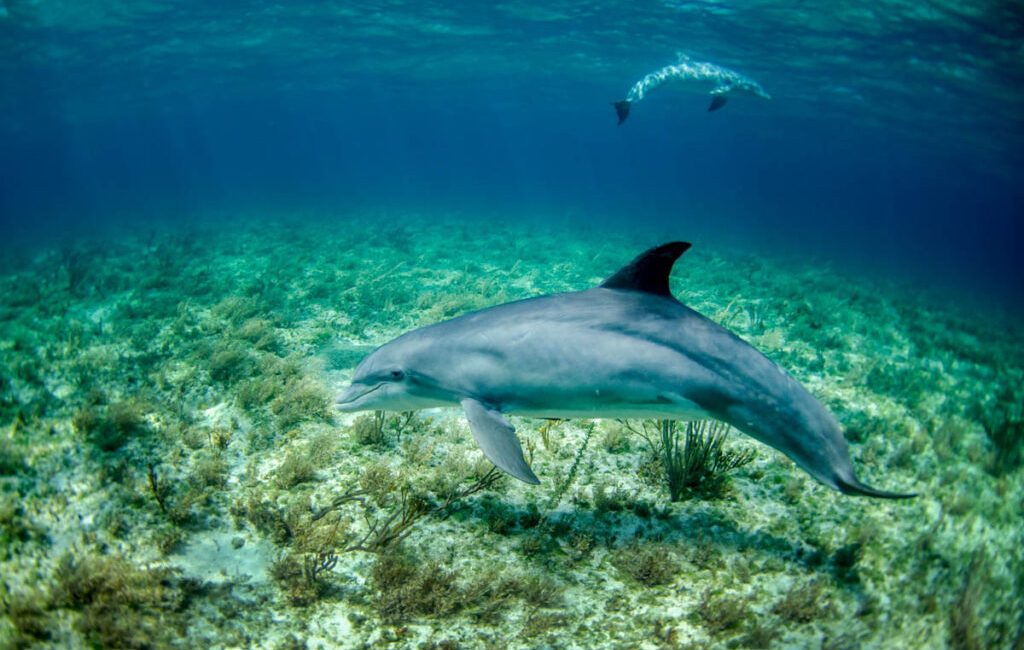
As dive travel continues to rebound and destinations become more deliberate about conservation, permits and safety standards, 2026 is shaping up to be a year where planning ahead really matters. These ten destinations stand out not because they are fashionable, but because they continue to deliver exceptional diving experiences while adapting to changing travel patterns. Each destination below includes a clear reason to go, the type of diver it suits best, and a natural point where booking through established platforms such as Liveaboard.com, Hotels.com, Expedia or Viator makes practical sense.

Photo by Swanson Chan on Unsplash
1. Raja Ampat
Raja Ampat remains the global benchmark for reef biodiversity, with more recorded species of coral and reef fish than anywhere else on the planet. The region’s remoteness is part of its appeal, but it also means that liveaboards remain the most efficient way to dive multiple areas such as Dampier Strait and Misool on a single trip. Many operators offering Raja Ampat itineraries via Liveaboard.com now focus heavily on conservation partnerships and smaller diver-to-guide ratios, which aligns well with the destination’s protected status.
Best for: underwater photographers, experienced reef divers
When to go: October to April for calmer seas
How to book: multi-area Raja Ampat liveaboard itineraries are best explored through Liveaboard.com, while Sorong hotels can be compared easily using Hotels.com if you plan a land-based extension
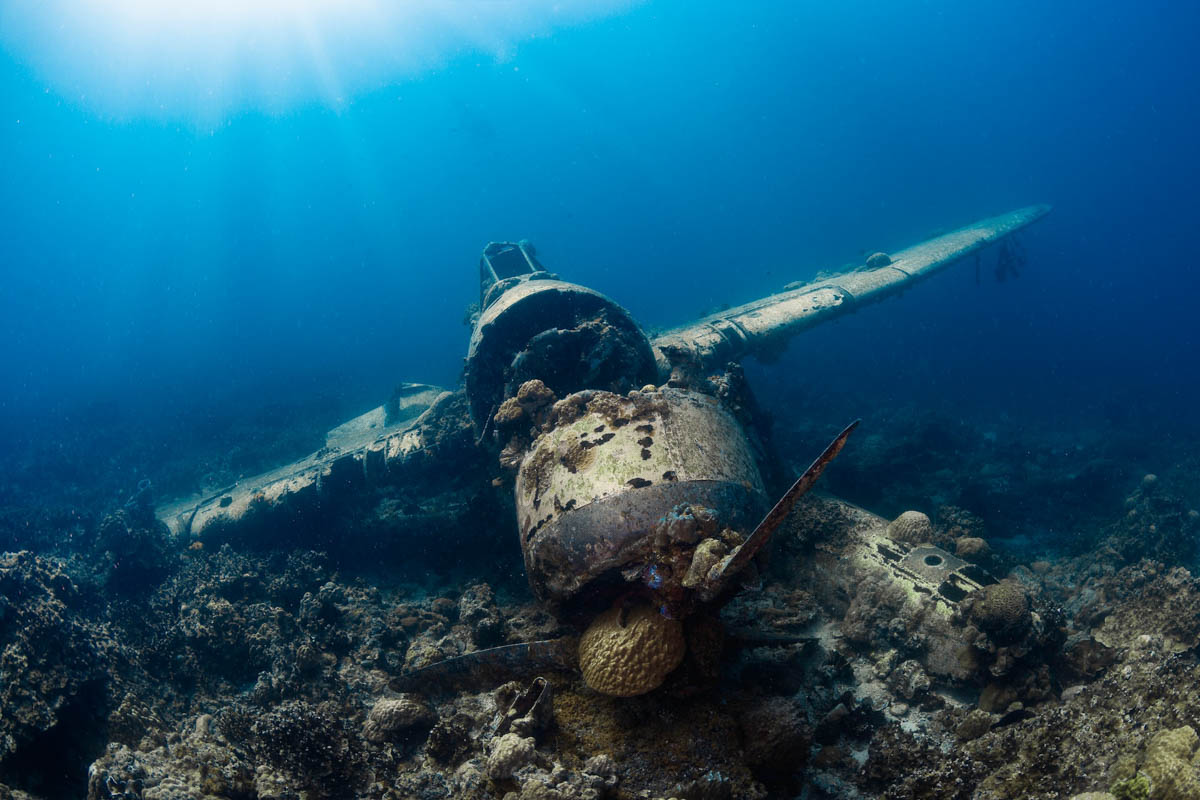
Photo by Milos Prelevic on Unsplash
2. Palau
Palau combines adrenaline-filled drift dives at Blue Corner with historic wrecks and manta cleaning stations, all within a compact island nation that takes marine protection seriously. While land-based diving from Koror is excellent, the outer reefs and lesser-visited sites are best accessed by liveaboard, particularly for divers visiting Palau for the first time.
Best for: current-loving divers, pelagic encounters
When to go: November to April
How to book: Palau liveaboard routes listed on Liveaboard.com give the widest site coverage, while Expedia is useful for comparing international flights and pre- or post-dive hotel stays

Photo by Roberto Nickson on Unsplash
3. Maldives
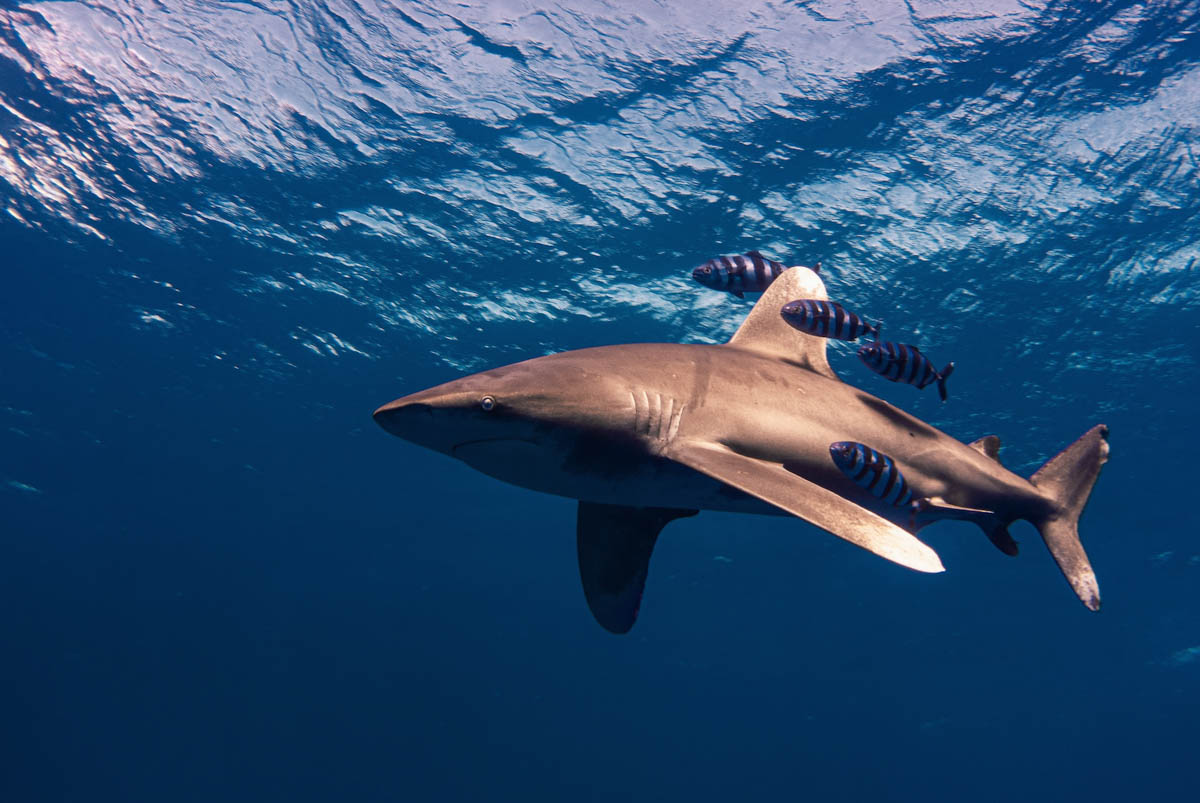
The Maldives continues to deliver some of the most reliable manta ray and shark encounters in the world, with channel dives and cleaning stations defining the experience. Liveaboards remain the most popular way to explore multiple atolls, especially for divers wanting to align their trip with seasonal manta movements.
Best for: pelagic-focused divers, liveaboard enthusiasts
When to go: year-round, with seasonal hotspots for mantas and whale sharks
How to book: Maldives itineraries on Liveaboard.com allow you to filter by atoll, trip length and comfort level, while Hotels.com is ideal for booking a resort stay before or after a cruise
4. Red Sea
From iconic wrecks like the Thistlegorm to pristine offshore reefs, the Red Sea remains one of the most diverse and accessible dive regions on the planet. Liveaboards are still the best way to experience classic northern wreck routes and remote southern reefs, although divers are increasingly advised to choose established operators with strong safety records.
Best for: wreck divers, mixed-experience groups
When to go: March to May and September to November
How to book: reputable Red Sea liveaboard operators are best compared via Liveaboard.com, while Hotels.com works well for divers adding shore-based days in Hurghada or Marsa Alam
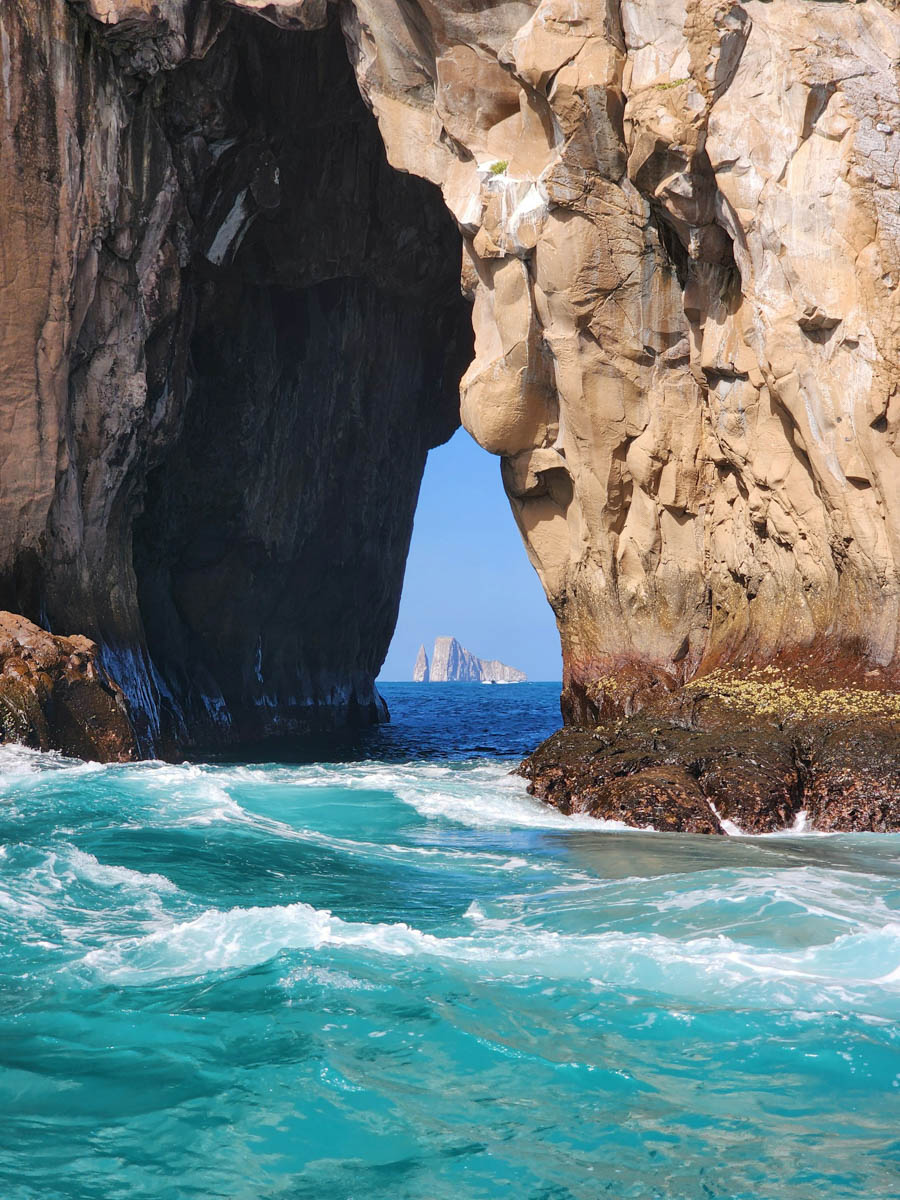
Photo by Nicolas Martin on Unsplash
5. Galápagos Islands
The Galápagos Islands remain unmatched for cold-water pelagic encounters, particularly hammerhead sharks, whale sharks and sea lions. Due to park regulations and distances between islands, liveaboards are essential for serious divers who want access to Darwin and Wolf Islands.
Best for: advanced divers, big-animal encounters
When to go: June to November for hammerheads
How to book: Galápagos liveaboard expeditions are best researched through Liveaboard.com, while mainland Ecuador hotels and logistics can be handled via Expedia
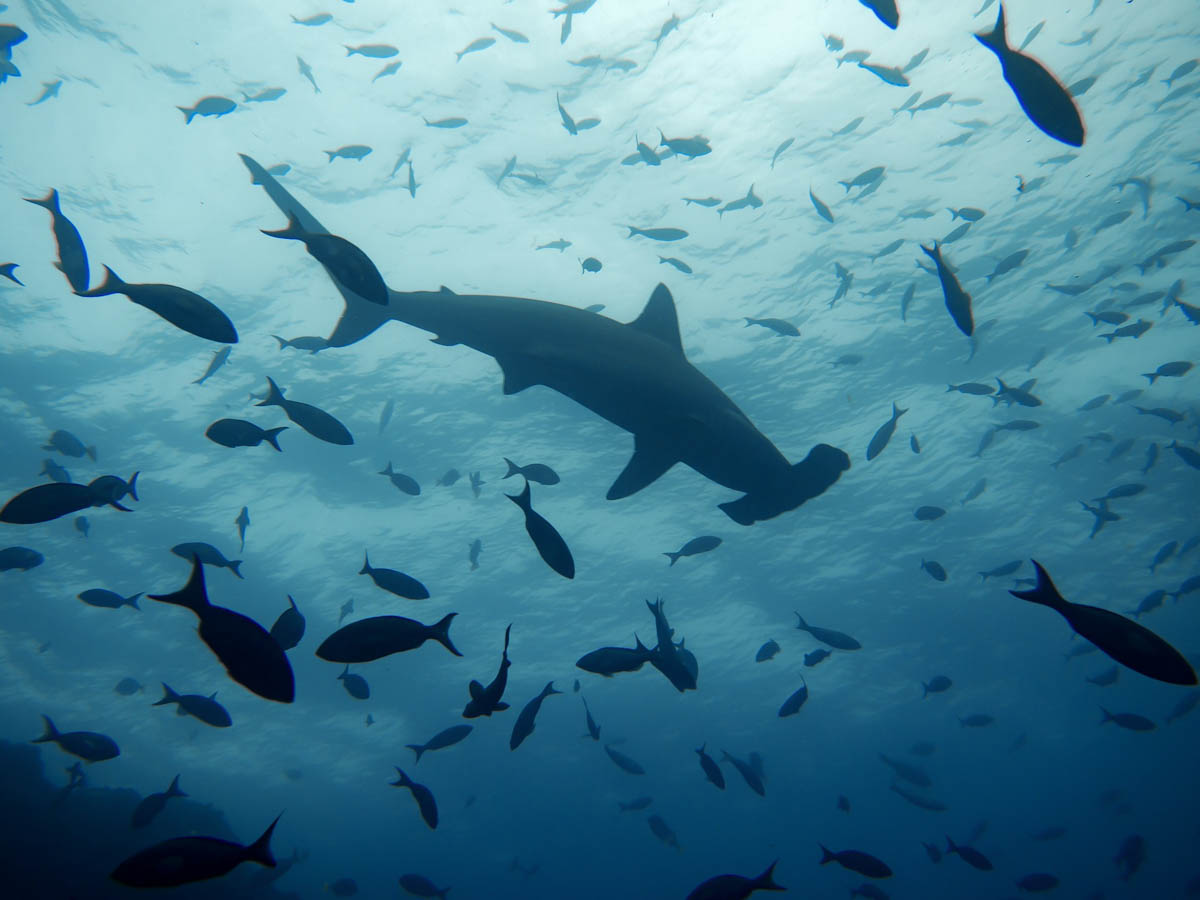
Photo by Heidi Bruce on Unsplash
6. Cocos Island
Often described as a pilgrimage site for experienced divers, Cocos Island delivers staggering schools of hammerhead sharks and other pelagic species. Trips are long, remote and weather-dependent, which makes operator choice critical.
Best for: advanced and technical recreational divers
When to go: May to August
How to book: specialist Cocos Island liveaboard expeditions listed on Liveaboard.com provide the most up-to-date scheduling and vessel information
7. Komodo National Park
Komodo’s mix of powerful currents, manta rays and dense fish life creates some of the most dynamic diving in Southeast Asia. While liveaboards remain popular, day trips and short cruises departing from Labuan Bajo have become increasingly refined and accessible.
Best for: confident divers comfortable with drift diving
When to go: April to December
How to book: multi-day Komodo cruises are best explored on Liveaboard.com, while Viator offers flexible options for guided Komodo dive day trips and marine park excursions
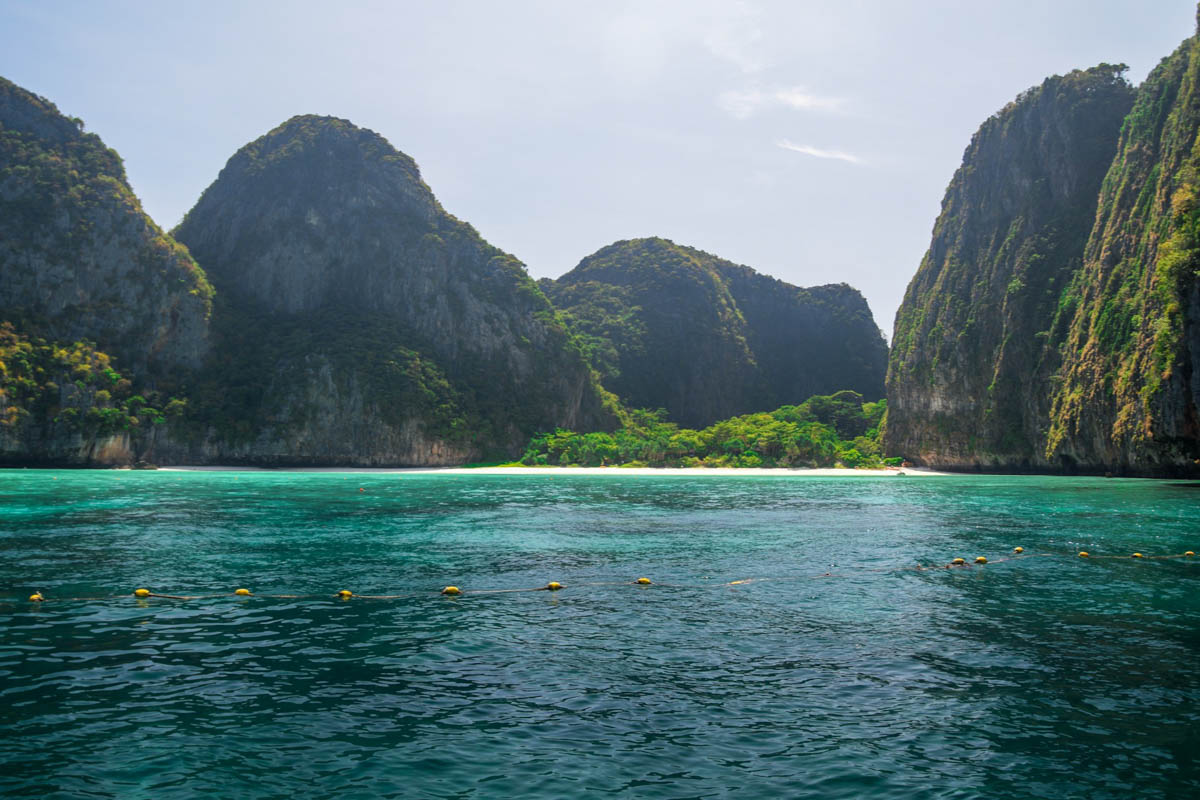
Photo by Ivan Nedelchev on Unsplash
8. Similan Islands
The Similan Islands deliver dramatic granite formations, clear water and large schools of fish, but access is seasonal due to national park closures. This makes timing essential for 2026 trips.
Best for: recreational divers seeking visibility and scenery
When to go: November to April
How to book: Similan liveaboard routes can be compared via Liveaboard.com, while Phuket-based accommodation and logistics are easily managed through Expedia
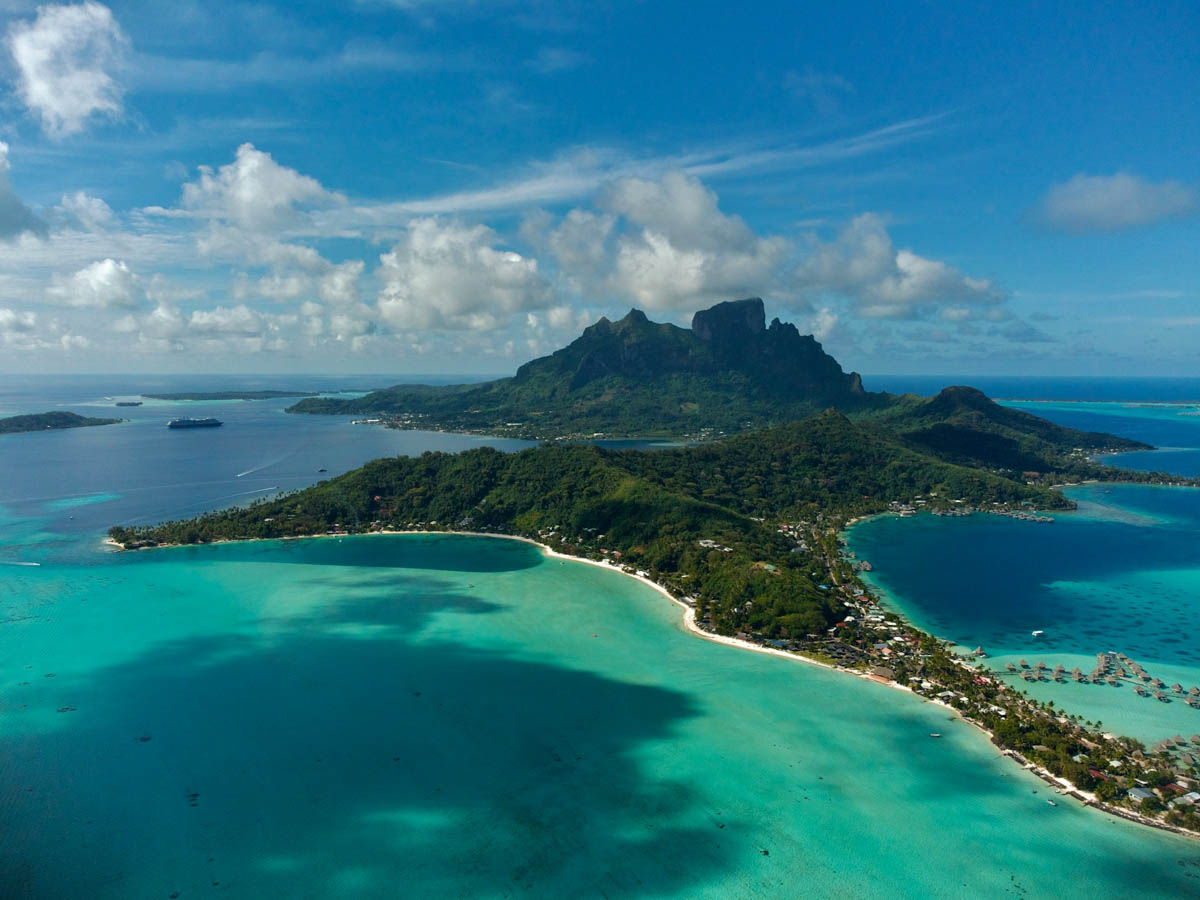
Photo by Tom Donders on Unsplash
9. Fakarava
Fakarava’s passes are legendary for shark aggregations and high-energy drift dives, offering one of the most raw and exhilarating experiences in tropical diving. Liveaboards visiting the Tuamotus are increasingly popular for photographers and advanced divers seeking fewer crowds.
Best for: experienced divers, shark encounters
When to go: May to November
How to book: Tuamotu-focused liveaboards listed on Liveaboard.com offer access to both Fakarava North and South passes, while Hotels.com is useful for overnight stays in Tahiti before departure
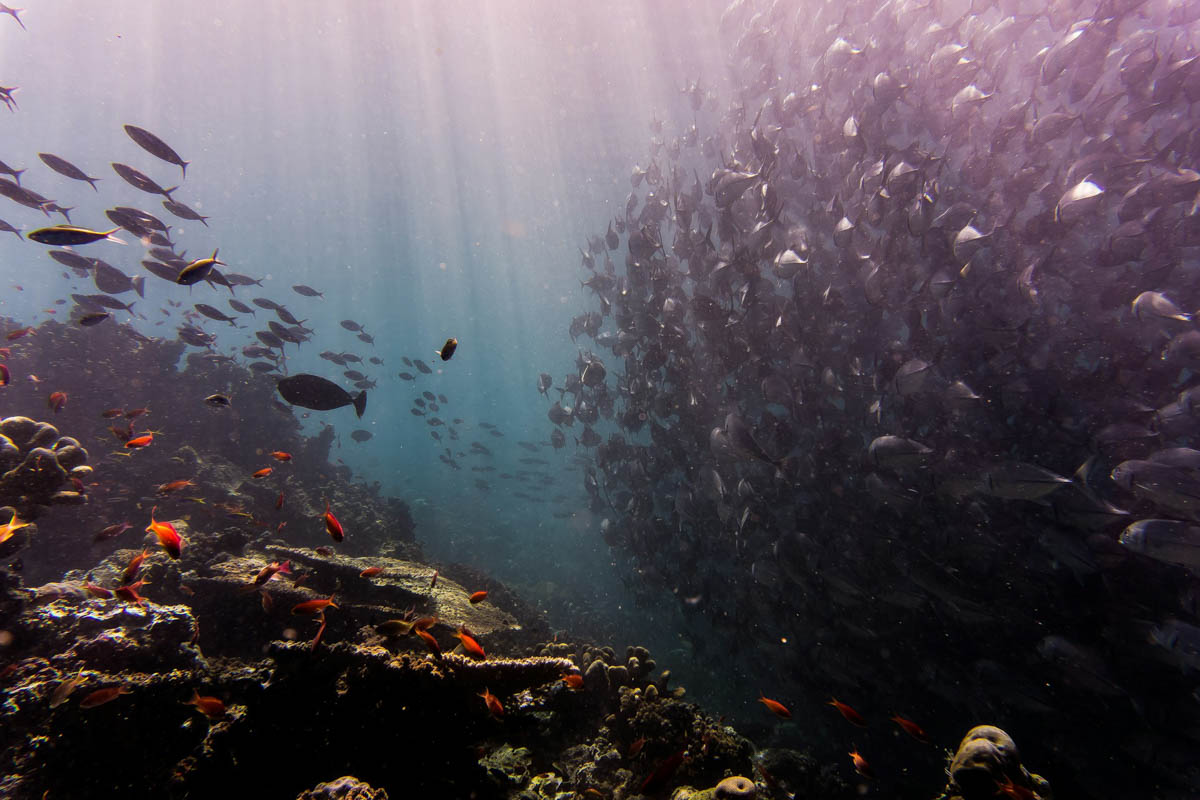
Photo by Johnny Africa on Unsplash
10. Sipadan
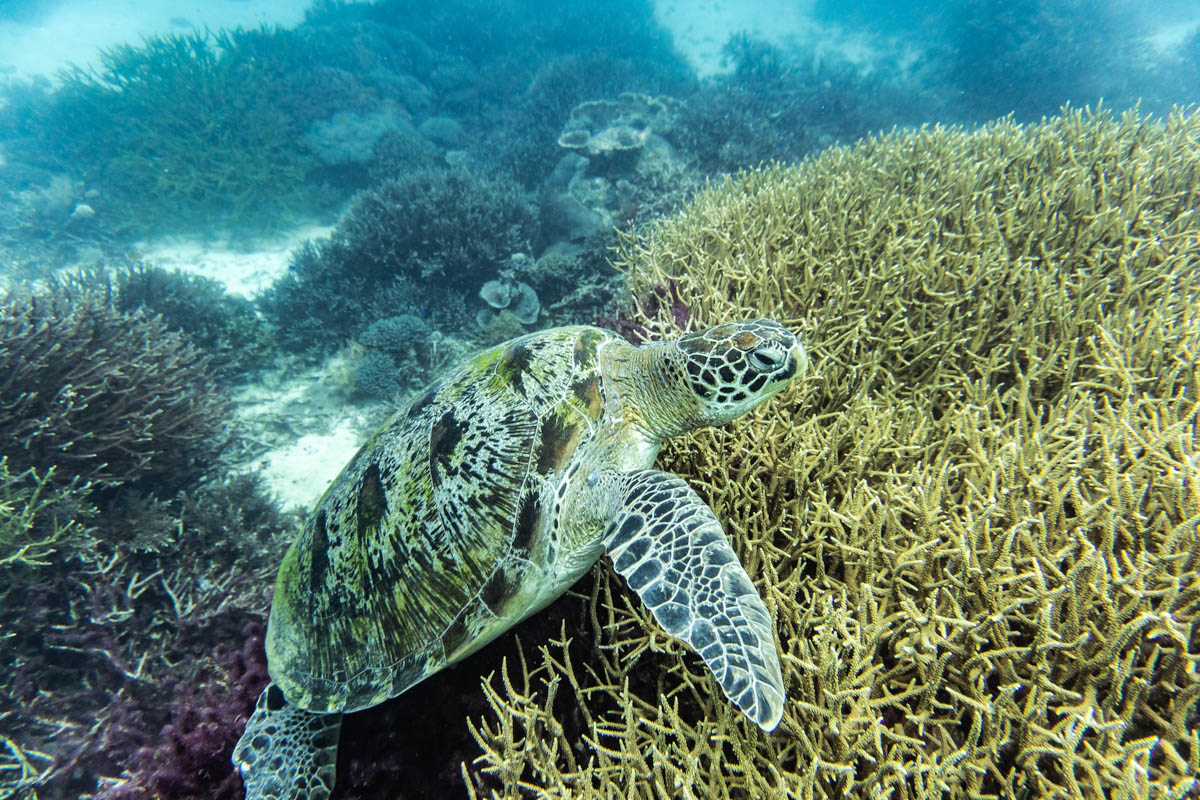
Sipadan remains one of the most tightly controlled dive destinations in the world, with limited daily permits protecting its walls and turtle populations. Diving is conducted via nearby islands, making advance planning essential.
Best for: turtle lovers, macro and wide-angle photographers
When to go: April to December
How to book: Sipadan-inclusive resort packages can be researched via Expedia, while nearby island accommodations are easily compared on Hotels.com
Planning smart for 2026
Across all ten destinations, two trends stand out for 2026. First, access is increasingly managed through permits, park closures or limited berths, making early booking essential. Second, established platforms such as Liveaboard.com, Hotels.com, Expedia and Viator provide an added layer of security through verified operators, transparent reviews and clearer cancellation policies. Used sparingly and strategically, these tools help divers focus less on logistics and more on what matters most, time underwater.
THE SCUBA NEWS Link !
DemirHindiSG 05 Ocak 2026-20:00