
 Nöbetçi Eczaneler






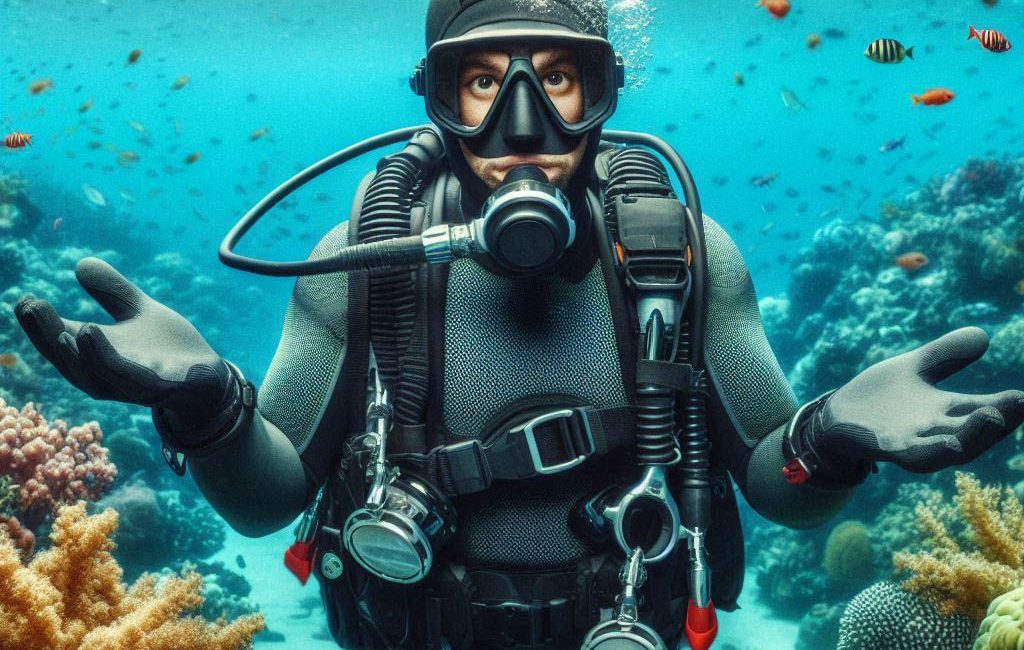
Clarifying What “AI” Means Underwater
In scuba circles, “AI” has traditionally meant air integration. In this article, it refers to artificial intelligence – the machine-learning, computer-vision and predictive algorithms that can classify images, detect patterns and make data-driven recommendations. When we say AI below, think “algorithms,” not “transmitters.”
Smarter Dive Gear and Wearables
The most visible leap in consumer diving is the rise of software-defined dive computers. A great example is the Oceanic+ app on the Apple Watch Ultra, which transforms the watch into a recreational dive computer with real-time haptics, visual safety cues, and post-dive logging up to 40 metres. While not an AI-driven decompression engine, it signals a shift toward adaptive dive technology that learns from user patterns over time.
AI is also enhancing post-dive life. Image-recognition platforms such as iNaturalist use computer vision to identify species from diver-submitted photos. When a diver uploads an image, the system’s algorithm suggests likely species, and expert reviewers validate the result – meaning your sighting can become a research-grade scientific record. Similar fish-identification apps now use the same underlying technology to help divers log marine life more accurately.
AI for Ocean Conservation
Artificial intelligence is transforming how marine scientists and divers work together. The shark-identification platform Sharkbook uses pattern-matching AI to identify individual sharks from photographs, tracking migration and population changes worldwide. Every diver photo helps train the model, giving recreational divers a direct role in marine research.
On coral reefs, AI is speeding up how we detect bleaching and disease. A global study in Remote Sensing demonstrated that deep-learning systems can analyse reef images with 97 percent accuracy compared to human experts, reducing analysis time by up to 200 times while cutting costs to just 1 percent of traditional methods. Researchers at King Abdullah University of Science and Technology are already applying this to Red Sea reefs, where AI-based coral classification now tracks recovery after bleaching events in real time.
In 2025, a Saudi initiative launched the world’s first AI-enabled digital twin of a coral reef, using integrated sensor data and imagery to guide restoration. The system, developed by The Red Sea Global project, monitors temperature, turbidity and species diversity, marking a major step toward scalable, data-driven conservation.
Underwater Robots and Drones
Autonomy is moving from military use to marine science and diving. Compact ROVs like the Chasing M2 Pro Max and AI-equipped AUVs developed by Blue Robotics are now being used by researchers and videographers alike. These systems can maintain depth, track subjects and avoid obstacles using onboard vision models.
Industry analysts, including Global Underwater Hub, forecast rapid growth in civilian underwater robotics through 2032 – a sign that autonomy, battery efficiency and image recognition will soon filter down into consumer-grade dive gear.
Decoding Ocean Language
One of the most fascinating uses of AI underwater is communication research. Project CETI is applying machine learning to analyse the complex “click” patterns of sperm whales, aiming to understand their structure and possibly enable two-way interaction. The findings are reshaping ethical debates around marine acoustics and influencing policies on underwater noise pollution and wildlife interaction.
How AI Could Reshape Your Dive Workflow
1) Smarter pre-dive risk awareness
Imagine an app that combines local incidents, sea-state forecasts, tide predictions and your personal dive log to produce a dynamic risk score. Early prototypes are already being studied by researchers at DAN Europe. The technology could one day support dive-planning briefings — not replace them.
2) Real-time biometrics and alerts
AI-powered wearables are beginning to monitor heart rate, workload and temperature underwater. Companies such as Garmin are experimenting with adaptive health tracking that could warn divers of overexertion or cold stress before symptoms set in.
3) Post-dive analytics
Imagine your dive log automatically comparing your ascent profiles with thousands of anonymised dives from the Divers Alert Network database, identifying patterns that correlate with decompression stress. This isn’t science fiction, it’s what machine-learning models already do in aviation and medicine.
4) Photo and video enhancement
AI-driven editing software such as Adobe Sensei already detects blur, backscatter and colour distortion. In the next generation, these algorithms will adjust white balance by depth and cluster images by species, making identification and storytelling effortless for underwater photographers.
The Ethical Depths
AI tools are only as good as their data. Poor visibility, rare life stages and distorted images can confuse algorithms — so always verify results with human expertise.
Privacy is another concern. Wearables and dive apps collect personal data, including biometrics and location. Before uploading, check how each platform stores and shares data; the Electronic Frontier Foundation provides clear guidelines on protecting digital privacy.
Finally, increased use of underwater robotics raises concerns about acoustic pollution. Even the whale-communication researchers at Project CETI warn that our growing underwater soundscape can disrupt marine communication, urging ethical design and deployment of future AI systems.
What Divers and Operators Can Do Now
- Log dives with intent. Use platforms like Sharkbook or iNaturalist to make your images scientifically valuable.
- Adopt software-defined gear responsibly. If using the Oceanic+ app on Apple Watch Ultra, test it in safe conditions and always carry a backup.
- Use AI before and after dives, not during. Let algorithms assist your planning and debriefing, but trust training and tables underwater.
- Stay informed. Follow updates from DAN Europe, KAUST and Global Underwater Hub to separate marketing hype from genuine innovation.
The Bottom Line
Artificial intelligence won’t replace the art of diving but it will make dive planning smarter, marine ID faster and conservation more precise. The best future is one where divers contribute ethically, robots tread lightly and apps guide safer choices without overriding human intuition. Treat AI as a reliable dive buddy: observant, tireless and data-driven, but still dependent on your judgment.
THE SCUBA NEWS Link !
DemirHindiSG 28 Kasım 2025-10:21