
 Nöbetçi Eczaneler





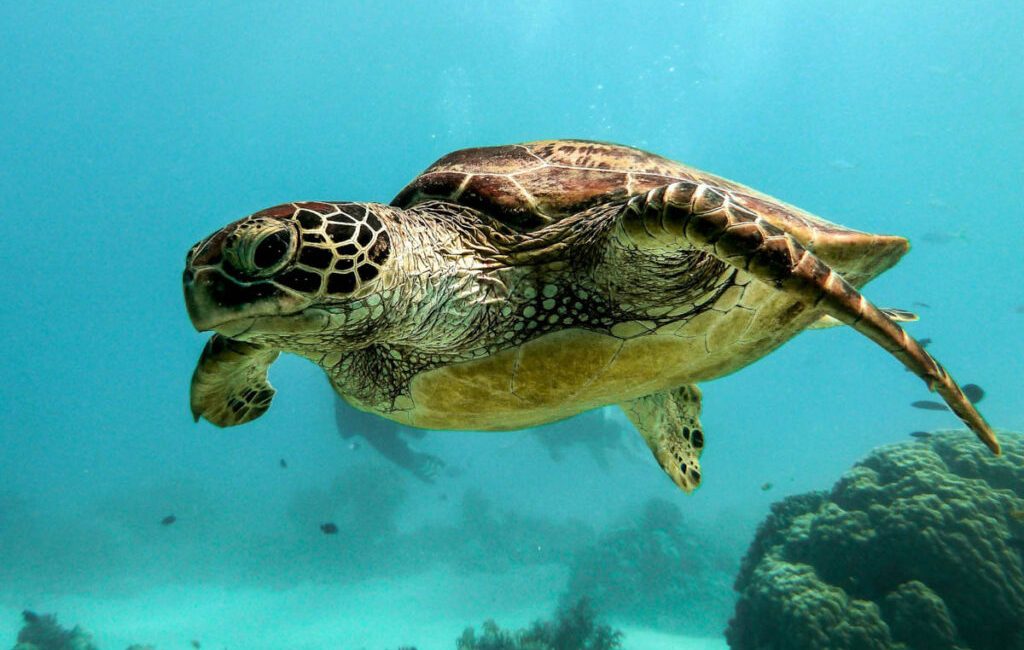
A recent news report from the South China Morning Post describes an alleged incident in Malaysian waters involving the mishandling of marine life by a tourist, underscoring persistent concerns within the dive community about respectful interactions with underwater ecosystems. According to that report, video footage circulating on social media appears to show a visitor handling a sea turtle and killing small invertebrates during a dive in Semporna, Sabah in late December and early January.
At this time, no other independent news outlets have published verified coverage of the same specific event, and Malaysian authorities have not yet issued a formal public statement confirming details of the footage or any ongoing investigation.
What the Existing Footage Suggests
The SCMP article refers to social media footage that allegedly shows a diver tugging at a hawksbill turtle, a species listed as critically endangered by the International Union for Conservation of Nature. The report also claims the same footage depicts invertebrates, sometimes described in social posts as sea slugs, being killed.
At this stage, there is no publicly available confirmation of the diver’s identity, dive operator, exact site conditions, or whether the video has been authenticated by independent experts. Those details are critical for any definitive conclusion, and readers should treat the available footage as alleged behaviour under review, not as established fact.
Broader Issues of Wildlife Interaction in Diving
Even as this individual report awaits further verification, the underlying concern it highlights is well documented within the global dive community: marine animals can be easily stressed, injured, or killed by inappropriate human contact. Hawksbill turtles, sea slugs, and other invertebrates play essential roles in reef ecosystems, and interactions that disturb their natural behaviour can have lasting ecological consequences.
Dive operators worldwide, including in Malaysia, typically enforce strict codes of conduct to minimise impact on wildlife. These guidelines include maintaining buoyancy control, avoiding physical contact with animals and the reef, keeping a respectful distance, and never attempting to touch or restrain creatures. For critically endangered species such as hawksbill turtles, regulatory protections are in place under Malaysian law and international agreements.
Why Responsible Diving Matters
For divers, the difference between observing and interfering is not just a matter of etiquette. Contact with marine wildlife can cause physical harm to the animal, risk injury to the diver, and degrade sensitive habitats. Hawksbill turtles are particularly vulnerable because they are slow moving and easily stressed by human attention. Likewise, sea slugs and other invertebrates are often integral to nutrient cycles and predator-prey relationships on reefs.
Education and enforcement of best practices matter because tourism and conservation must coexist. Dive professionals and organisations such as PADI and the Reef Check Foundation emphasise that ethical behaviour under water is central to the sustainability of dive destinations.
What We Still Need to Know
Because independent reporting on this specific incident is limited to a single source at this stage, key questions remain:
- Have Malaysian authorities or wildlife agencies verified the authenticity of the video?
- Is an official investigation underway, and what legal protections might apply?
- Were dive operators or guides present, and what were their roles?
- Is there more contextual evidence clarifying what actually occurred?
The Scuba News will update this article as verified information becomes available from additional sources, including statements from Malaysian conservation authorities or local media outlets.
Conclusion
The footage described in the SCMP article, if authenticated, serves as a stark reminder of the responsibilities that come with underwater exploration. Rather than focusing on nationality or individual blame, the dive community benefits most from frank discussion about proper behaviour, education of divers at all levels, and adherence to conservation-minded practices that protect vulnerable marine life.
THE SCUBA NEWS Link !
DemirHindiSG 09 Ocak 2026-17:04