
 Nöbetçi Eczaneler






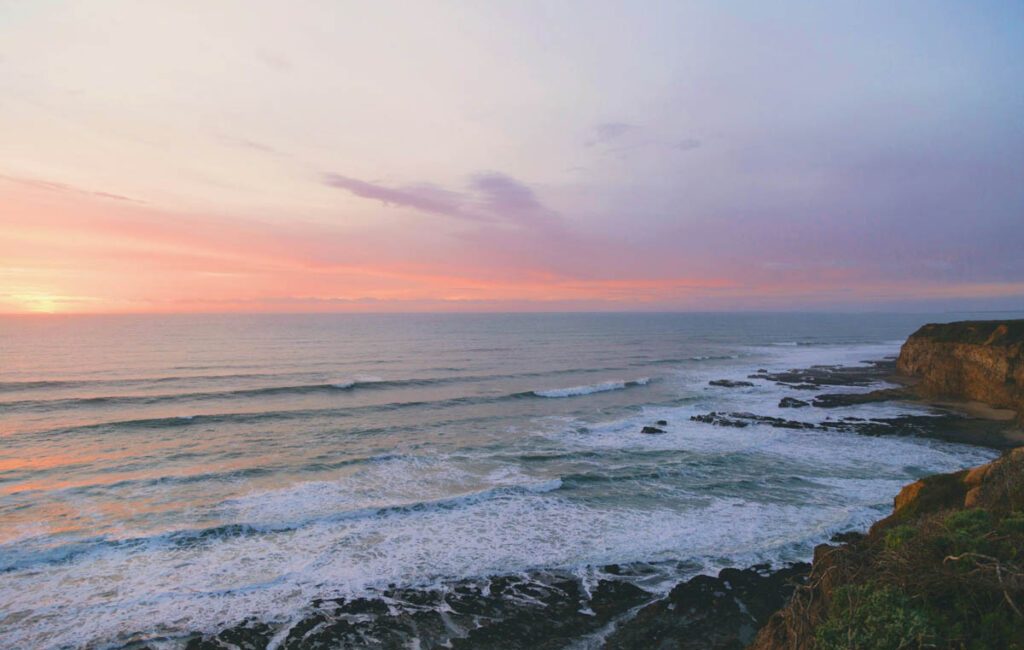
You can learn a coastline the way a boat captain, lifeguard, or divemaster does. It isn’t mystique, it’s pattern recognition. Locals observe, compare, and connect what they see to what happens next. This feature turns that habit into a practical routine any diver can apply, whether planning a shore dive, assessing an entry point, or deciding when to call it a day.
Start with the big picture, then narrow your focus
Locals think in layers. They check regional forecasts to understand the pattern, then verify it at the waterline.
- Regional pattern
Begin with the marine forecast to read wind fields, pressure systems, and advisories. A Small Craft Advisory from the National Weather Service signals sustained winds and seas that make diving risky even if the surface looks calm. Learn how these advisories are defined so you can visualise sea state before you arrive. - Local tide and current
Tides set the stage for entry, exit, visibility, and drift. Understanding tidal heights and tidal currents separately is vital. Predictions on NOAA’s Tides & Currents site reveal when water accelerates or pauses, while the NOAA tide tables overview explains how to match times and heights. Their detailed guide, Understanding Tides, breaks down the relationship between phase and current flow. - Swell story
Swell height shows how much water is moving; period reveals the energy in each set, and direction decides which coast will feel it. Longer-period swell refracts and travels farther, often delivering heavier sets and longer lulls. Surf resources like Pure Surf Camps’ swell forecast guide or Bali Surf Camp’s explanation of wave period are excellent tools to visualise how swell energy behaves.
Read the wind with your eyes, not just an app
Before you feel the wind, you can see it on the surface. The Beaufort scale links visible patterns to wind speeds – from small ripples to streaking foam. Training your eye to these cues lets you confirm whether a “10 to 15 knots” forecast matches reality. The Royal Meteorological Society’s Beaufort explainer offers visual comparisons worth studying.
For divers, the implications are practical. Onshore winds roughen the surface and stir up sediment, while offshore winds smooth the top layer but can strengthen rip currents. Locals adjust timing and entry based on how the breeze will evolve through the day
Spot rip currents before you suit up
Rips account for most rescues on surf beaches, yet they’re easy to spot once you know what to look for: darker, smoother lanes that cut between breaking peaks, or foam and sand streaming seaward. Both the NOAA rip current guide and the U.S. Lifesaving Association’s safety page explain how these flows form and how to escape them by swimming parallel to shore.
Recent public awareness campaigns, such as the AP overview of rip risk and Axios’ visual guide to surviving a rip current, reinforce the same advice: stay calm, float to rest, and move sideways out of the channel before angling in.
Let the seafloor show you where the water wants to go
Sandbars, gullies, and reef fingers steer energy and flow. A narrow cove can amplify surges; a river mouth can flip visibility in minutes. Permanent rips often sit beside man-made structures, exactly why NOAA’s safety notes warn divers to stay clear of piers and jetties.
When scouting, look for texture transitions on the surface that hint at channels and bars. Watch how swimmers or surfers drift between sets. If possible, drop a small piece of kelp and observe its path. Each clue reveals where water is moving.
Tide timing for safe entries and cleaner water
Every site has a preferred tide. Some rocky entries are manageable only near low water; others need mid-to-high levels to cover boulders. Visibility often improves on an incoming tide, when clearer offshore water replaces inshore silt. Use NOAA’s Tides & Currents predictions to plan dives around slack or gentle flood tides, especially where channels or reef passes funnel flow.
Swell period and set rhythm
A 1.2-metre swell at seven seconds feels manageable. The same height at fifteen seconds can double in size when a set hits. This is why locals pause to count. By watching three full sets and timing the lulls, they predict when to enter safely. Use Bali Surf Camp’s swell period primer or Pure Surf Camps’ forecast guide to practice translating numbers into behaviour.
Wind against tide: the diver’s nemesis
When wind opposes tidal flow, short-interval chop steepens and breaks early. Exits through boulder fields can become washing machines. When wind and current align, the surface often smooths between sets. Checking actual water texture against the Beaufort visual guide helps confirm whether the comfort margin is real or deceptive.
Subtle signs locals never ignore
- Smell and colour hint at runoff or algal bloom that will reduce visibility.
- Debris lines mark converging currents – areas to avoid for entry.
- Birds and baitfish reveal where currents concentrate nutrients (and where you might drift if you surface there).
- Sound helps too: a deep, rhythmic thud means long-period swell; a constant hiss signals wind chop.
- People tell you plenty. Surfers moving down the point or lifeguards resetting flags often see the change before your instruments do.
A five-minute shoreline routine
- Stand high and scan – read wind streaks and wave patterns using the Beaufort scale visual guide.
- Watch three full sets – count seconds between largest waves to estimate period using principles from the wave period guide.
- Map the bottom – identify channels and whitewater zones, referencing cues from the NOAA rip current guide.
- Check tide and current – verify timing and direction with NOAA’s Tides & Currents portal.
- Set rules – agree on go/no-go limits for surge, wave size, and turnaround times.
Shore-specific notes
Pocket beaches
Ideal on moderate swell with light wind, but beware of backwash from cliffs. Choose exits with a clean run-up rather than narrow notches.
Open sandy beaches
Sandbars shift after storms. Look for spilling, not plunging, breakers and aim slightly up-drift of your target.
Rocky ledges
Commit only on a sustained lull. Keep fins in hand until you’re knee-deep. If a set arrives early, retreat and wait.
Reef passes
Currents can exceed several knots. Time entries for slack, confirming exact slack windows via NOAA current predictions.
When to call the dive
Locals aren’t braver – they’re stricter. Walk away when:
- Winds meet Small Craft Advisory thresholds in the NWS marine forecast.
- Long-period swell doubles in size between sets.
- Tidal currents turn exits into conveyor belts.
- Visibility collapses from runoff or heavy surge.
Train your eye on calm days
The best time to learn is when the sea is kind. Visit at different tides, watch how rips migrate, and log each observation. Cross-check with previous swell forecasts to build an intuitive picture. Over time, you’ll predict behaviour as accurately as locals who’ve watched the same beach for decades.
Respect shared beaches
Always heed lifeguard zones and flag systems. Never dive near jetties or piers where currents accelerate – guidance backed by both NOAA and the U.S. Lifesaving Association. If you see someone struggling, signal trained responders and use flotation rather than entering unprepared.
Quick-reference learning links
- Identify sea states with the Beaufort visual guide.
- Check tide and current timing via NOAA Tides & Currents.
- Practice rip-current spotting using the NOAA rip current guide.
- Sharpen swell intuition with the wave period explainer.
THE SCUBA NEWS Link !
DemirHindiSG 28 Kasım 2025-10:21