
 Nöbetçi Eczaneler





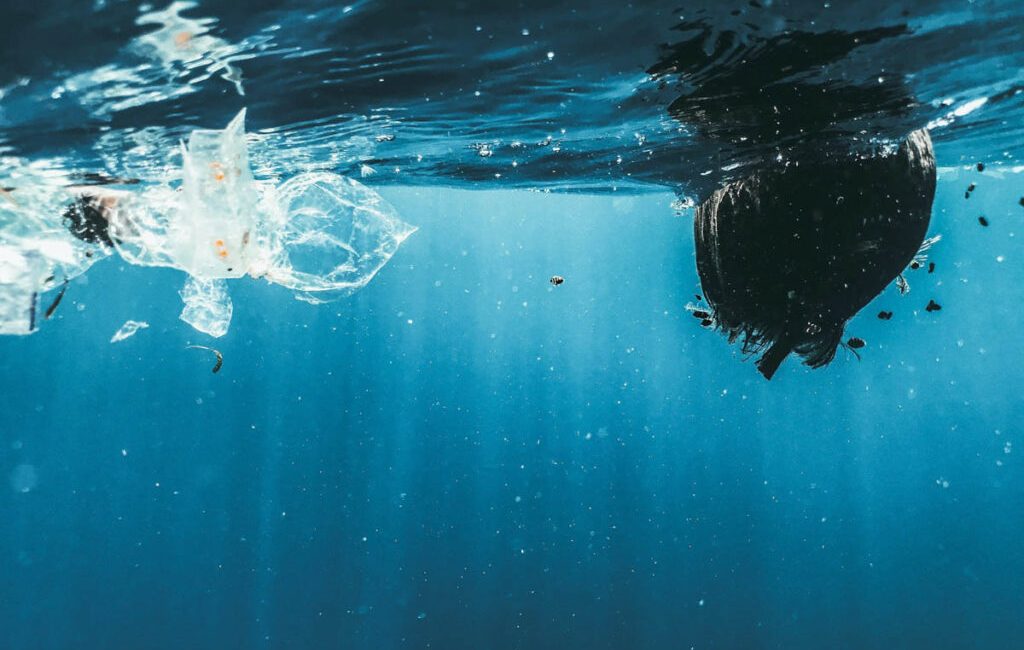
When you slip below the waterline, the ocean presents itself as another world, alive with motion and colour. It can also reveal the blunt, intimate face of pollution in ways a headline never can. Underwater pollution is not just litter on a beach. It is plastic filaments wrapped around gorgonians, slick plumes of runoff sliding past corals, clouded water hiding dying seagrass, and microscopic particles that work their way into the very tissues of fish.
What follows is what pollution actually looks like from a diver’s perspective, how science explains those changes, and why they matter to the future of diving.
Plastic and microplastics: visible debris and invisible damage
On many reefs and coastlines the first thing divers notice is larger debris, bottles, bags and fragments of packaging snagged on coral heads or resting across sand patches. That visible waste is only the beginning. As plastic breaks down in the marine environment it forms microplastics, now recognised in United Nations Environment Programme assessments of marine plastic pollution as one of the most widespread forms of ocean contamination, present from surface waters to deep-sea sediments.
Underwater, plastic does not simply sit harmlessly. When fragments become lodged on corals they block light and oxygen, creating stress points that allow disease to take hold. A landmark study into plastic-related coral disease published in Science demonstrated that corals in contact with plastic debris are far more likely to show signs of disease and tissue loss, accelerating reef decline in already stressed ecosystems.
For divers, this damage is not theoretical. It appears as faded colour, patchy coral tissue, and entire colonies slowly suffocating beneath debris that should never have reached the sea.
Ghost nets: the most destructive form of marine litter
Few sights are more unsettling underwater than an abandoned fishing net draped across a reef. These so-called ghost nets are a major focus of FAO research into abandoned, lost and discarded fishing gear, which identifies them as one of the most lethal forms of marine pollution due to their ability to keep trapping animals indefinitely.
Because ghost nets are made from durable synthetic fibres, they can persist for decades. As they degrade, they shed microplastics while continuing to damage habitat. Divers often encounter them wrapped around bommies, snagged on wrecks, or collapsed over seagrass meadows, silently fishing long after they were lost.
The long-term ecological harm caused by abandoned gear is now widely recognised, and diver-led recovery programmes have become one of the most effective ways of reducing this threat at site level.
Runoff, sediment and chemical pollution: the murky killers
Not all underwater pollution is immediately visible as debris. Coastal runoff carries pesticides, heavy metals and untreated wastewater into the sea, altering water chemistry in ways that can be devastating for marine life. According to the US Environmental Protection Agency’s overview of threats to coral reefs, sedimentation and chemical pollution reduce coral growth, impair reproduction and make reefs far more vulnerable to bleaching and disease.
Sediment plumes created by dredging and coastal development cloud the water column, reducing visibility and blocking the sunlight that corals and seagrass rely on for photosynthesis. To divers, affected sites often appear dull and lifeless, with fewer fish, muted colours and a fine layer of silt coating once-vibrant reef structures.
These impacts may seem subtle on a single dive, but repeated exposure can turn thriving ecosystems into degraded landscapes within a surprisingly short time.
Nutrient pollution and dead zones: when abundance becomes toxic
Excess nutrients from fertilisers and sewage create another underwater warning sign: algal overgrowth. Nutrient-rich waters fuel blooms that initially look like a surge in productivity but quickly become destructive. When these blooms die, decomposition consumes oxygen, creating hypoxic or anoxic conditions commonly known as dead zones.
For divers, these areas are immediately recognisable. Visibility drops, the seabed becomes coated in algae, fish numbers plummet and entire sections of reef or seagrass meadow fall silent. These dead zones are expanding globally and are overwhelmingly linked to land-based pollution rather than offshore activity.
What pollution looks like across dive environments
Underwater pollution manifests differently depending on where divers explore. On tropical reefs it appears as plastic tangled in branching corals and ghost nets draped across bommies. In temperate kelp forests it shows up as derelict fishing gear wound around kelp stipes and sediment blanketing the seabed. On wrecks, lost nets and debris often accumulate and then spread outward, impacting nearby natural habitats. In estuaries and seagrass meadows, nutrient pollution reveals itself through algal mats and oxygen-poor water that drives fish away.
In every case, the pattern is the same: reduced biodiversity, simplified ecosystems and a visible loss of resilience.
The human cost beneath the surface
Underwater pollution does not stop at ecological damage. Degraded reefs support fewer fish, affecting fisheries and food security. Polluted dive sites lose their appeal, directly impacting dive tourism and coastal economies. Microplastics and chemical contaminants moving up the food chain also raise concerns for human health through seafood consumption.
For divers, witnessing this decline firsthand creates a responsibility as well as an opportunity. Few people see these impacts as clearly as those who spend time beneath the surface.
What divers can do
Divers are uniquely positioned to make a difference. Responsible diving practices, participation in clean-ups and ghost-net removals, support for operators with strong environmental policies, and advocacy for better waste management all contribute to protecting dive sites. Sharing what is seen underwater also matters, because visual evidence remains one of the most powerful drivers of public awareness and policy change.
Seeing pollution underwater is confronting, but it is also clarifying. The ocean does not hide the consequences of human behaviour. It displays them in plain sight to those willing to look.
THE SCUBA NEWS Link !
DemirHindiSG 16 Aralık 2025-17:44