
 Nöbetçi Eczaneler







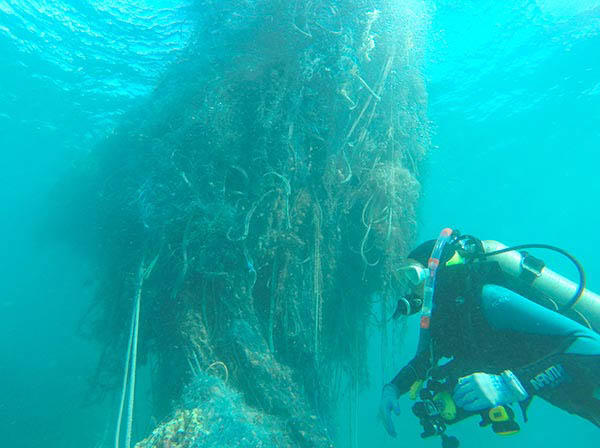
Beneath the waves, far from the attention of most divers and ocean users, an invisible threat drifts across reefs, wrecks, and open water. Known as ghost nets, these abandoned, lost, or discarded fishing gears continue to trap and kill marine life long after they have been forgotten. Unlike oil spills or coral bleaching, ghost nets rarely make headlines, yet their impact is vast, persistent, and deeply destructive.
For divers, conservationists, and anyone who cares about the future of the oceans, understanding ghost nets is not just an environmental issue, it is a reminder that human activity leaves a lasting footprint beneath the surface.

What Are Ghost Nets, and Why Are They So Dangerous?
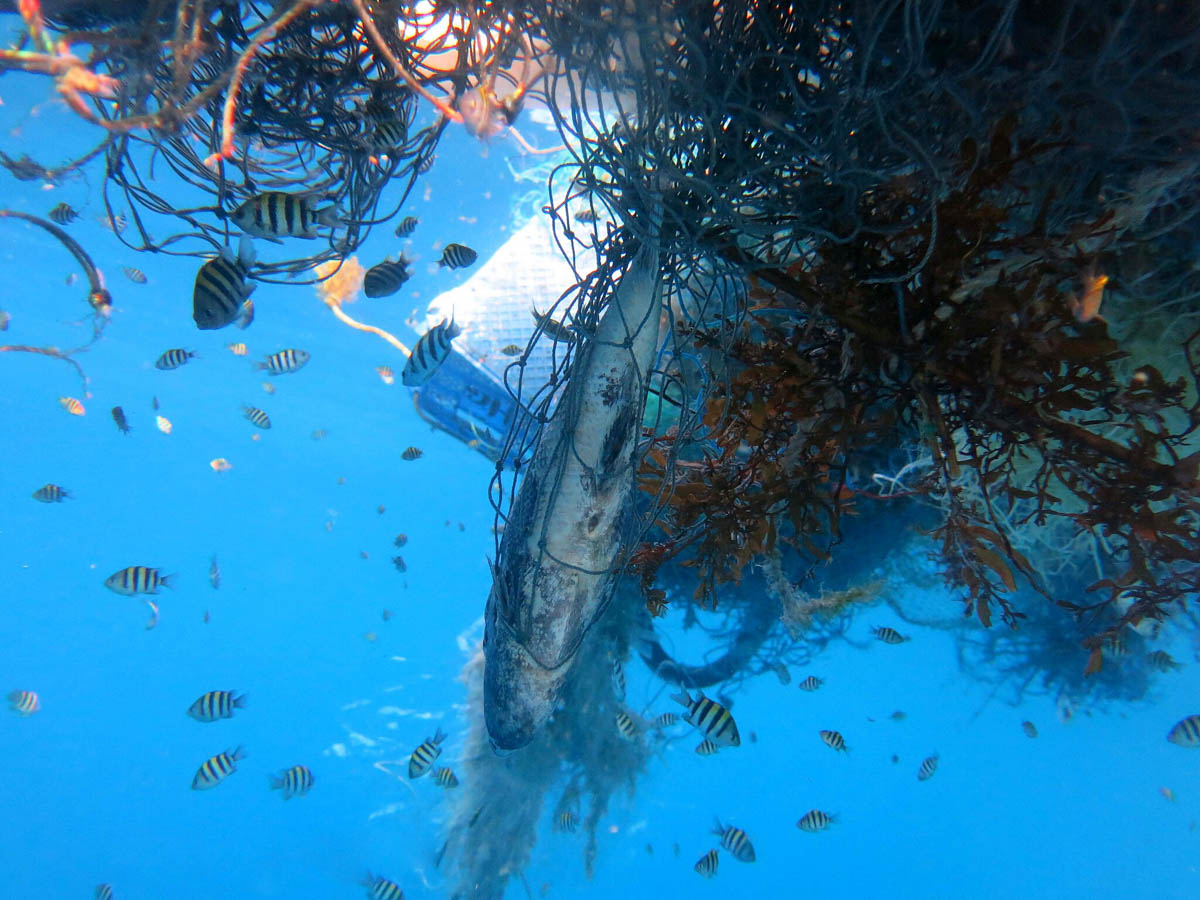
Ghost nets are fishing nets or gear that have been lost at sea, abandoned intentionally, or discarded when damaged. Because most modern fishing equipment is made from durable synthetic materials, these nets can continue “ghost fishing” for years, trapping fish, turtles, seabirds, sharks, and marine mammals without ever being retrieved.
According to the Food and Agriculture Organization, ghost gear makes up a significant portion of marine plastic debris by weight and continues to capture marine life even after fishing stops, creating long-term ecological damage. The scale of the problem is staggering. The conservation group World Wildlife Fund estimates that between 500,000 and one million tonnes of fishing gear enter the ocean every year, making it one of the most lethal forms of marine plastic pollution.
Unlike other debris, ghost nets are designed to catch animals. This is what makes them uniquely dangerous. While plastic bottles or bags may harm wildlife, abandoned fishing gear is actively engineered to entangle and hold anything that swims into it.
A Global Crisis Hidden Beneath the Surface
Ghost nets are not limited to any one region. They have been documented from tropical coral reefs to polar waters, accumulating in gyres, washing onto coastlines, or becoming trapped on seabeds where currents concentrate debris.
Research cited by the United Nations Environment Programme highlights that abandoned fishing gear is considered the deadliest form of marine plastic, threatening around 66 percent of marine animals, including all species of sea turtles and a large proportion of seabirds. These statistics illustrate the scale of a problem that often goes unseen by the general public.
One reason ghost nets are so widespread is the sheer volume of fishing activity worldwide. Storms, gear conflicts, strong currents, and accidental loss all contribute to nets slipping free. In some cases, damaged gear is deliberately abandoned because recovery costs exceed its value.
Scientific estimates show that even a small percentage of lost gear translates into vast amounts of debris. A global assessment published in Science Advances suggests that millions of square kilometres of netting and lines are lost annually through normal fishing operations, creating a persistent environmental burden that continues to grow over time.
.jpg)
How Ghost Nets Kill, Even Years Later
The concept of “ghost fishing” describes the way lost gear continues to trap animals long after it is abandoned. Nets drift through the water column or collapse onto reefs, capturing fish that then attract predators, which in turn become entangled themselves.
Detailed observations referenced in a Food and Agriculture Organization study show that lost gillnets can continue catching fish for extended periods, with mortality occurring even as the efficiency of the gear declines. The slow degradation of synthetic materials means these nets remain functional far longer than traditional natural-fibre equipment ever did.
Beyond direct entanglement, ghost nets also cause habitat damage. Coral reefs can be smothered or broken by drifting gear, seagrass beds can be uprooted, and sensitive ecosystems can be altered for years. As plastic nets degrade, they release microplastics that enter the food chain, further amplifying their impact.
The Human and Economic Cost
Ghost nets are not only an ecological disaster, they also affect fisheries and coastal economies. Trapped fish are effectively removed from the ecosystem without benefiting fishermen, reducing available stocks and undermining sustainable practices.
Data compiled by international marine organisations shows that abandoned gear contributes to significant financial losses through reduced catch, damaged vessels, and cleanup costs. The International Union for Conservation of Nature highlights how ghost fishing gear continues to trap commercially valuable species and creates safety hazards for navigation.
In regions where fisheries provide critical livelihoods, ghost nets become both an environmental and socio-economic problem. Communities may suffer from declining fish stocks while also facing the expense of removing hazardous debris from coastal waters.
Why Ghost Nets Are So Hard to Stop
Solving the ghost net crisis is complicated by several factors. First, lost gear is difficult to track. Once a net disappears beneath the waves, it can drift across international borders, making accountability challenging.
Second, recovery is dangerous and expensive. Divers removing heavy, tangled nets risk entanglement themselves, while large-scale recovery operations require specialised equipment and vessels.
Third, regulatory frameworks vary widely between countries. Some regions require reporting of lost gear and support retrieval programs, while others lack enforcement or infrastructure to address the problem effectively.
Despite these challenges, awareness is growing. Initiatives such as the Global Ghost Gear Initiative bring together governments, NGOs, and the fishing industry to develop practical solutions, including gear marking, reporting systems, and recycling programs.
The Role of Divers in Fighting Ghost Nets
Recreational and professional divers often encounter ghost nets firsthand. On wrecks, reefs, and even open sandy seabeds, abandoned gear can be seen snagged on structures or drifting through currents.
Many dive organisations now participate in ghost net removal projects, combining conservation with citizen science. Divers help document locations, assess risk, and support coordinated recovery efforts. These operations are not without risk, and proper training is essential, but they represent one of the most visible ways the diving community contributes to ocean protection.
Ghost net removal also offers a powerful reminder of the impact divers can have beyond tourism. By reporting sightings, supporting cleanup initiatives, or choosing environmentally responsible operators, divers become part of a global effort to reduce marine debris.
Solutions That Are Beginning to Make a Difference
Although the scale of the problem can feel overwhelming, progress is being made. Preventative measures are often more effective than cleanup alone.
One key strategy is improving gear design. Some manufacturers are exploring biodegradable materials that reduce long-term environmental impact if equipment is lost. Others are developing tracking technology that allows fishermen to locate and retrieve gear more easily.
Financial incentives are another approach. Reports highlighted by the Food and Agriculture Organization suggest that encouraging fishermen to bring damaged or recovered nets back to port can significantly reduce abandonment rates.
Recycling initiatives are also gaining traction. Old nets can be transformed into new products, from textiles to consumer goods, creating economic incentives to recover gear rather than discard it.
Why Ghost Nets Matter to Divers Now
For divers, ghost nets are more than an abstract environmental issue. They are increasingly visible underwater hazards that can affect dive safety, marine life encounters, and the long-term health of dive destinations.
A reef covered in discarded netting is not just an ecological tragedy, it is a stark reminder that the ocean remembers everything we leave behind. The silent nature of ghost nets makes them easy to ignore, but their consequences are anything but invisible.
As awareness grows, divers, operators, and conservation groups are beginning to treat ghost nets not as isolated incidents but as a systemic problem requiring global cooperation.
The Ocean’s Silent Killers, and a Chance for Change
Ghost nets represent one of the clearest examples of how modern technology can unintentionally harm the natural world. Built to be strong, durable, and efficient, synthetic fishing gear continues to do its job long after it has been lost, turning a tool of survival into a silent predator.
Yet there is reason for cautious optimism. Collaboration between fisheries, conservation organisations, scientists, and divers is starting to shift the narrative from reaction to prevention.
The next time you descend onto a reef or explore a wreck, take a moment to look beyond the marine life and consider the unseen threats drifting through the blue. Ghost nets may be silent killers, but growing awareness within the diving community is proving that they are not unstoppable.
THE SCUBA NEWS Link !
DemirHindiSG 20 Şubat 2026-19:57