
 Nöbetçi Eczaneler





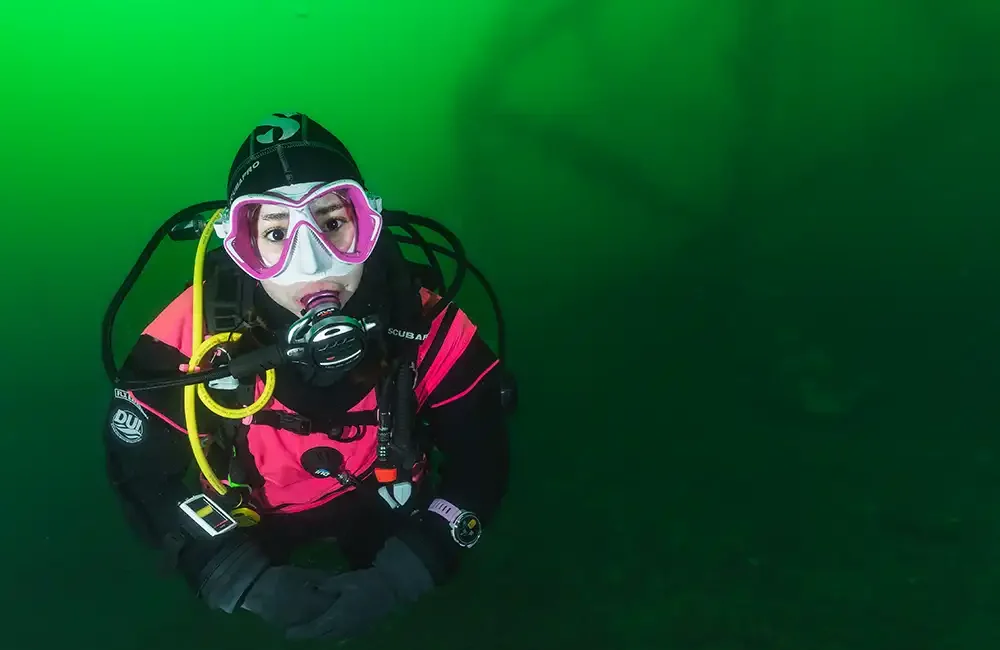
Marine biologist Bella Zandoná explores how drysuit diving opens up cold-water ecosystems, from her home in Seattle’s Puget Sound to remote global destinations
For many divers, the first images that come to mind are tropical reefs, clear blue water and colourful fish. But for those of us based in colder climates, such as my home in Seattle, diving doesn’t stop when the water gets chilly. In fact, learning to dive in a drysuit opens up a completely new world, one that few ever get to experience.
Cold-water diving isn’t just about braving lower temperatures; it’s about accessing unique ecosystems, exploring rarely seen environments, and discovering the incredible diversity of marine life that thrives outside the tropics.
A drysuit is a diver’s ticket to this world. Unlike a wetsuit, which relies on a thin layer of water warmed by your body to keep you comfortable, a drysuit keeps you completely dry. It is insulated, sometimes with air and sometimes with thermal undergarments, allowing you to maintain body heat.
Whether it’s exploring rich kelp forests off the coast, spending time with sea lions, or spotting a giant Pacific octopus on the move, a drysuit makes it possible to stay submerged for hours rather than minutes.
A different kind of dive environment

The ecosystems you encounter while drysuit diving in the Pacific Northwest are strikingly different from tropical waters. In Seattle’s Puget Sound, visibility varies, the water is green, and the diversity of marine life is remarkable.
Giant Pacific octopus, wolf eels, colourful nudibranchs and dense schools of fish create an ecosystem full of surprises. Cold water encourages vibrant growths of kelp, barnacles and anemones, which form essential habitats for these species.
In many ways, the underwater landscapes are more dramatic than warm-water reefs. The combination of towering kelp forests and rugged rock formations makes every dive feel like an exploration on another planet.
Beyond Seattle, one of my favourite cold-water dive spots is God’s Pocket in Canada, which takes the experience to another level. Located in a remote part of the Pacific Northwest, it offers a pristine underwater environment with minimal human impact.
The water is cold, but visibility is often excellent and marine life abundant. An entire dive can be spent observing sea stars, crabs and colourful fish.
For divers willing to invest the time to learn drysuit techniques, God’s Pocket shows just how rewarding cold-water diving can be.
Learning the skills that make it possible
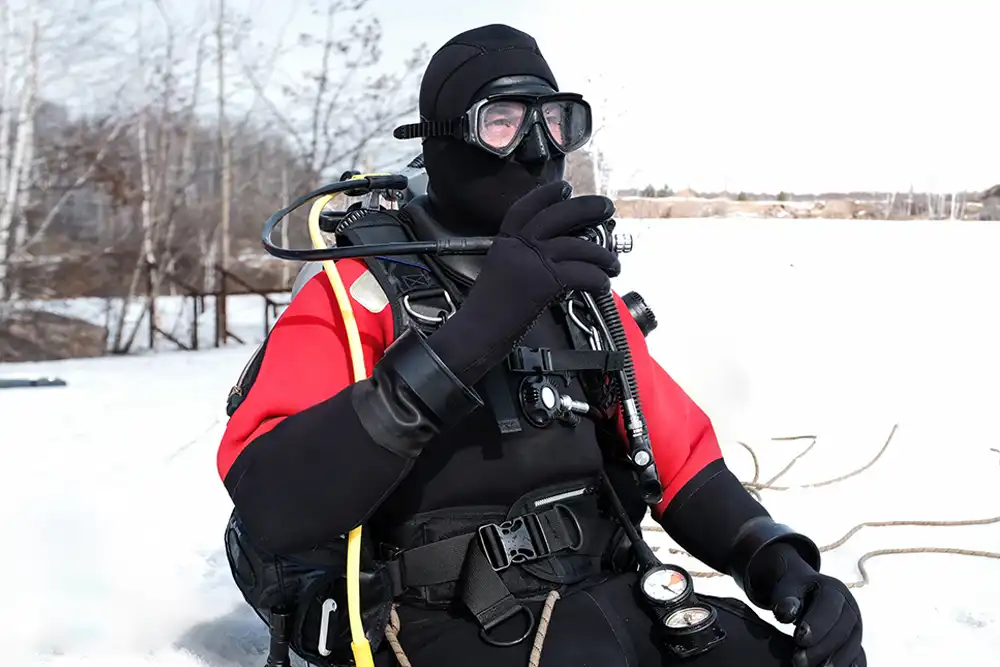
Drysuit diving does require some adjustment. Buoyancy control differs from a wetsuit because the suit traps air, which expands and compresses with changes in depth. Air in the drysuit must be actively managed, and it is vitally important that you take appropriate training with a properly certified instructor
Descend without adding air and you will feel the squeeze as the suit tightens around your body – a potentially dangerous occurrence, if not managed correctly. Add too much air and it migrates upward, shifting your trim. Mastering this takes time and practice, but once learned, it adds a new layer of precision and control to your dives.
You begin to notice subtle differences in how you move, how the suit responds to depth changes, and how air distribution affects trim. If air collects in your legs, even a small change in posture can tip you feet-up.
At that point, the response needs to be controlled and deliberate: bring your body back to a horizontal position, vent excess air from the suit, and use fin movements to re-establish stability rather than panicking and fighting the motion.
Weight placement also becomes more important, as moving even a single kilo too far in the wrong direction can mean the difference between stable trim and constantly battling the suit.
For me, these challenges are part of the appeal. Every dive becomes skill-based, where technique matters as much as the surroundings.
Safety, of course, is key in cold-water diving. Even with a drysuit, it’s important to layer properly with thermal undergarments – or even a heated vest, if necessary – and maintain good buoyancy control while monitoring your body’s physical response to the ambient temperature.
Diving in cold environments can be physically demanding, so staying alert and prepared is essential, but the benefits of learning to use a drysuit far outweigh the effort: longer dive times than if you were wearing a wetsuit, access to unique environments, and encounters with marine life that are hard to match.
Cold water without limits
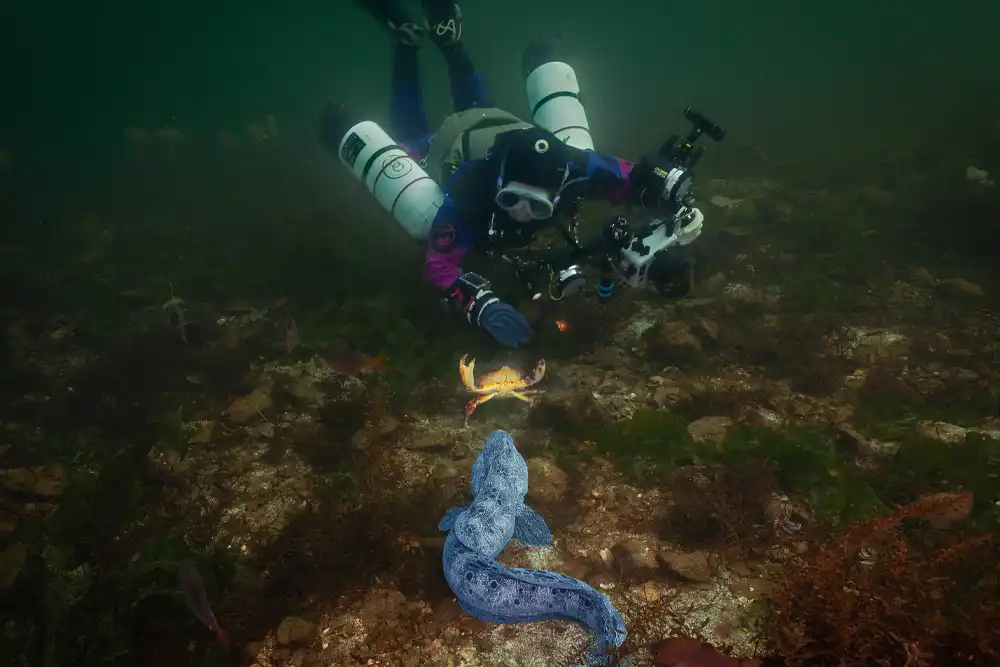
Beyond the Pacific Northwest and Canada, drysuit diving opens doors to international cold-water destinations. Norway, Iceland and Antarctica are all within reach once you are comfortable in a drysuit.
Each location offers a completely different set of species and environments. In Norway, you might explore kelp forests teeming with cod and wolf fish.
In Antarctica, you can observe penguins, seals and abundant krill in some of the clearest water on Earth. Drysuit skills transform cold, remote destinations from intimidating to accessible, allowing divers to expand their horizons in ways that would be impossible with a wetsuit alone.
Learning to dive in a drysuit is an investment of time, money and practice, but it pays off with a kind of freedom you may not realise you were missing.
Suddenly, new environments become accessible year-round. You see species you have never encountered before and stay comfortable long enough to truly settle into a dive instead of rushing through it.
The skills you develop make you a more capable diver wherever you go, and for those diving in Seattle or the wider Pacific Northwest, that confidence reshapes what local diving means.
Cold water stops being a barrier and instead becomes an invitation to explore more. Every dive becomes a chance to notice something new, and once you experience it, it is hard to imagine diving any other way.
The post Diving with Bella – how drysuits can unlock a whole new world for scuba divers appeared first on DIVE Magazine.