
 Nöbetçi Eczaneler






The Caribbean is home to some of the world’s most famous dive destinations, but the reefs that draw millions of divers every year are under growing pressure. Now a coalition of island nations is pushing for a major conservation funding effort that could reshape how the region protects its oceans.
Governments across the eastern Caribbean are seeking to raise $200 million for biodiversity protection, a move aimed at safeguarding fragile marine ecosystems and improving long-term resilience for reefs, fisheries, and coastal communities. The initiative was reported this week in a detailed analysis by Reuters, which highlighted how regional leaders are working together to secure large-scale conservation funding.
The proposal forms part of a broader effort led by the Organisation of Eastern Caribbean States, a regional body representing several island nations that depend heavily on healthy marine ecosystems for tourism and food security. The goal is to create a coordinated funding strategy that can support long-term conservation rather than fragmented projects spread across individual islands.
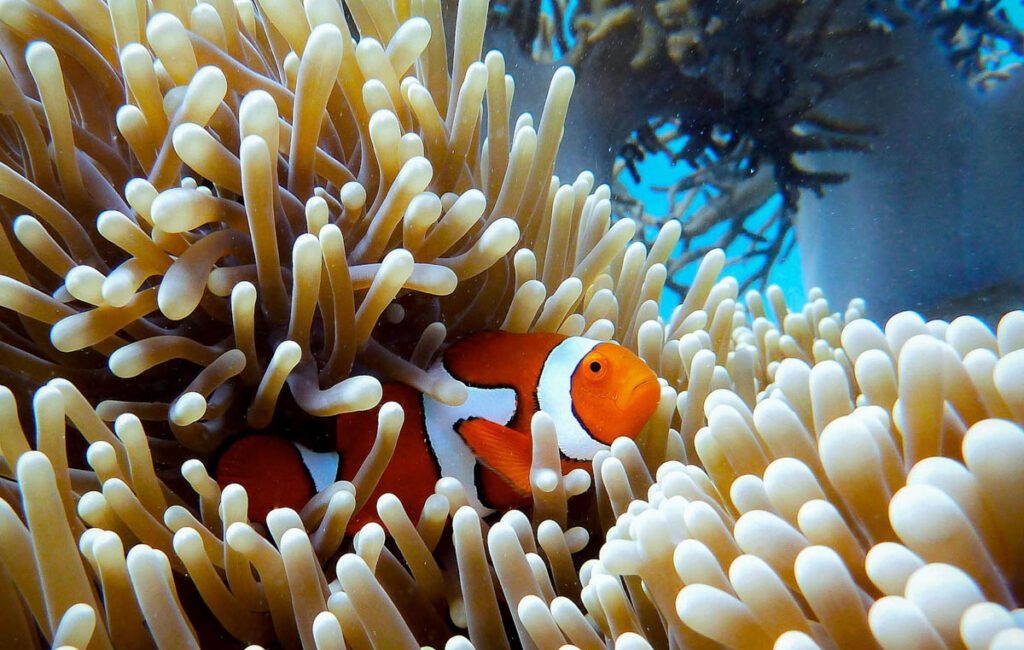
For divers, the stakes are clear. The Caribbean has long been considered one of the most accessible places in the world to explore coral reefs, yet many of those reefs are showing signs of stress from warming seas, coral disease, and coastal development.
A Race to Protect Caribbean Reefs
Across the region, coral ecosystems are facing mounting threats. Bleaching events linked to rising ocean temperatures have affected reefs throughout the Caribbean in recent years, while diseases such as stony coral tissue loss disease have caused widespread damage in several areas.
Scientists and conservation groups increasingly warn that without stronger protection measures, many reefs could struggle to recover.
The new funding push aims to address that challenge by strengthening conservation programs and supporting efforts to expand marine protected areas across participating islands. The initiative aligns with the global “30×30” conservation goal, which seeks to protect 30 percent of the world’s land and ocean by 2030.
Regional leaders say previous conservation funding has often been fragmented or donor-driven, making it difficult to deliver consistent long-term results. The new strategy aims to bring funding together under a coordinated regional framework.
What It Could Mean for Divers
For the diving community, the implications could be significant.
Healthy coral reefs are the foundation of the Caribbean dive industry, supporting iconic destinations from Bonaire and Curaçao to Grenada and St Lucia. Protection measures that strengthen reef resilience could help safeguard marine life and preserve the underwater landscapes that attract divers from around the world.
Conservation initiatives linked to the funding proposal could include:
- stronger marine protected areas
- coral restoration programs
- improved fisheries management
- better monitoring of reef health
These efforts not only benefit marine biodiversity but also help maintain the tourism economies that many Caribbean islands rely on.
Divers are often among the first to notice changes underwater. Reports of declining coral cover, algae overgrowth, and reduced fish populations have become more common across parts of the region, reinforcing the urgency behind large-scale conservation initiatives.
A Turning Point for Caribbean Ocean Protection?
While the funding proposal is still in the early stages, it reflects a growing recognition that protecting the Caribbean’s natural assets requires regional cooperation.
The Caribbean Sea contains some of the planet’s most biologically rich coral reef systems, yet it is also one of the most heavily used marine environments. Tourism, fishing, shipping, and climate change all place pressure on fragile ecosystems.
If the proposed $200 million biodiversity fund succeeds, it could mark one of the most significant conservation investments ever coordinated across the eastern Caribbean.
For divers who have spent years exploring these waters, the outcome could shape the future of some of the world’s most beloved reefs.
And for the reefs themselves, it may represent a critical opportunity to secure the protection they need before further damage occurs.
THE SCUBA NEWS Link !
DemirHindiSG 14 Mart 2026-00:17