
 Nöbetçi Eczaneler





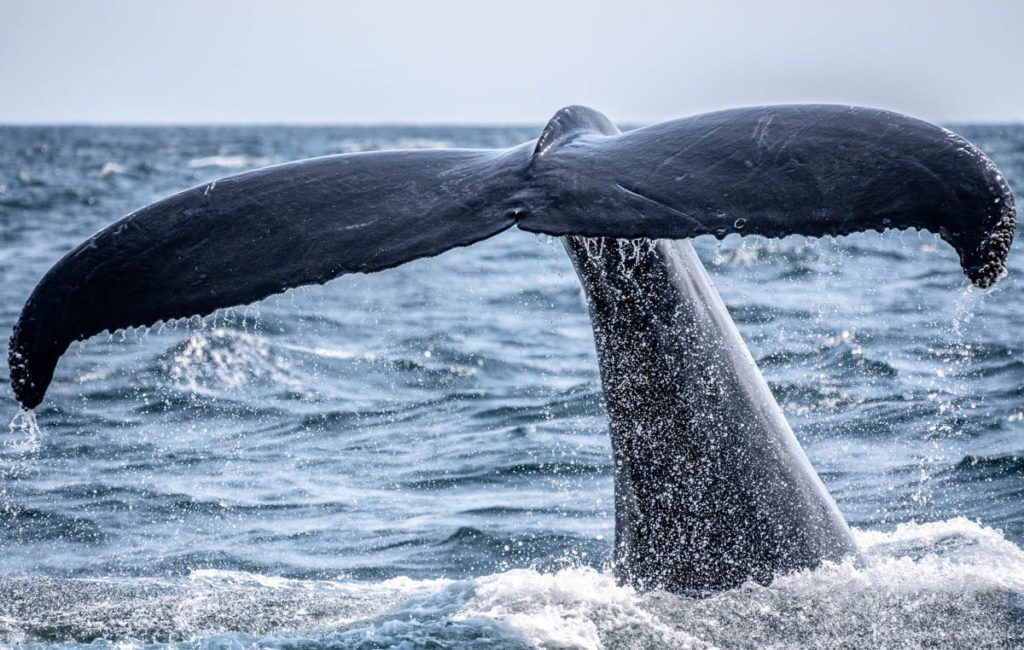
In Canada, cutting-edge technology is helping to safeguard endangered whale populations through the use of smart buoys that monitor their movements in real time. These buoys are fitted with hydrophones—underwater microphones capable of detecting whale vocalizations from several kilometers away. When a whale call is picked up, the system processes the audio to determine the species and location, then quickly transmits alerts to nearby vessels to help prevent collisions and other threats.
How it Works
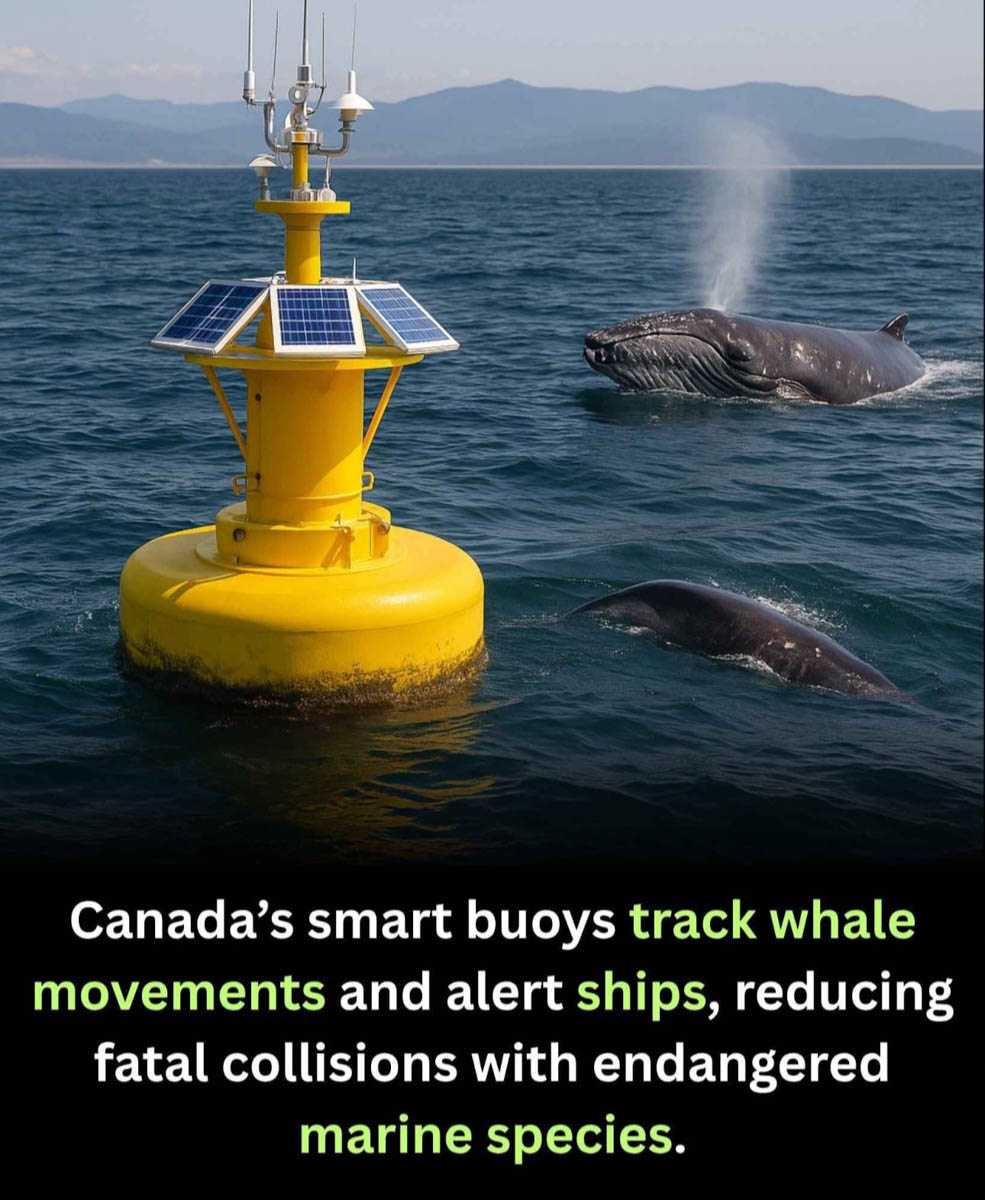
Detection: Smart buoys and autonomous underwater gliders are strategically placed in regions such as the Gulf of St. Lawrence and coastal British Columbia to provide continuous, around-the-clock monitoring of whale activity.
Alerting: When whale sounds are picked up, the information is processed and shared almost instantly with researchers, government officials, and ship operators. The data is also publicly accessible through tools like the Whale Insight map.
Mitigation: These alerts trigger the creation of mandatory slowdown zones (also called dynamic shipping zones) or encourage voluntary speed reductions in areas where whales are at high risk. Ships exceeding a certain size are generally required to travel at 10 knots or less while within these designated zones.
This system represents a key component of Canada’s marine conservation strategy, aimed especially at protecting the North Atlantic right whale, a critically endangered species threatened primarily by collisions with vessels.
THE SCUBA NEWS Link !
DemirHindiSG 28 Kasım 2025-10:21