
 Nöbetçi Eczaneler



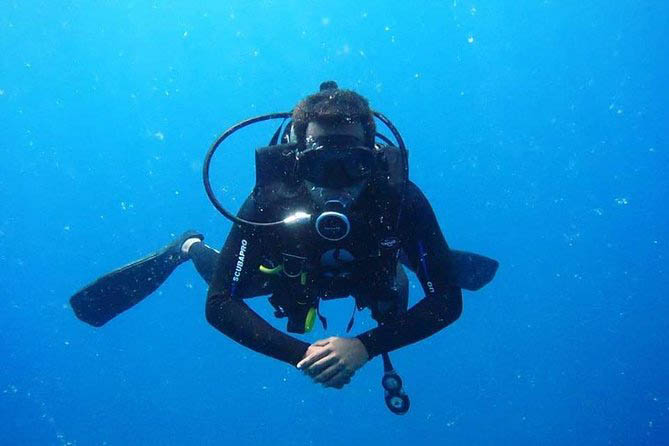
Sri Lanka is often described as a surf, culture and wildlife destination, but it also deserves more attention from divers. The island has warm water, reef dives, wrecks, turtles, schooling fish, beginner-friendly dive centers and some serious offshore sites for more experienced divers.
What makes Sri Lanka different from many tropical dive destinations is the way its seasons work. You cannot simply choose one “best month” for the whole country. The island is shaped by two monsoon patterns, which means the best coast for diving changes during the year.
That is actually good news if you plan carefully. When the south and west coasts are at their best, places like Hikkaduwa, Unawatuna, Mirissa, Weligama and Colombo become the main dive areas. When conditions shift, the east coast around Trincomalee and Nilaveli takes over.
So the first rule for a Sri Lanka dive trip is simple: choose your coast according to the season, not just according to the place you have seen on Instagram.
The simple season rule: west and south, then east
If you are diving between November and April, look mainly at the west and south coasts. This is the better window for Hikkaduwa, Unawatuna, Weligama, Mirissa, Colombo and nearby dive areas. Seas are generally calmer, visibility tends to improve, and dive centers operate more regularly.
If you are diving between May and September, the east coast becomes the smarter choice. Trincomalee, Nilaveli and Pigeon Island are the names to know. This side of the island is more protected during the southwest monsoon, which makes it a strong option when the southern coast is rougher.
There are shoulder months, of course. April and October can be transitional. Conditions may be good, but they can also be less predictable. If you are traveling in those months, leave room in your schedule and speak with local dive operators before locking everything in.
West and south coast diving: reefs, wrecks and easy logistics
The west and south coasts are the easiest choice for many first-time visitors because they fit well with classic Sri Lanka itineraries. Many travelers already pass through Galle, Unawatuna, Mirissa, Weligama or Hikkaduwa. Adding a few dives is simple.
Hikkaduwa is one of the island’s older beach destinations and is known for reef diving, turtles and accessible dive centers. It is a good place for divers who want a relaxed base with restaurants, accommodation and beach life close by.
Unawatuna is another popular choice, especially for beginners and casual divers. Dive sites around the area can include reefs, rock formations and wrecks, with depths that suit different experience levels. The area is also convenient if you want to combine diving with Galle Fort, beaches and the south coast.
Mirissa and Weligama are better known for surfing and whale watching, but they can also be part of a dive-focused route depending on conditions. For newer divers or travelers mixing several activities, the south coast is easy to manage.
Colombo wreck diving: the underrated side of Sri Lanka
Many divers do not immediately think of Colombo when planning a dive trip, but the capital area has an interesting wreck-diving scene. For certified divers, this can be one of the more rewarding parts of Sri Lanka diving.
Wrecks around Colombo vary in depth and difficulty, so this is not always the best choice for a first dive after certification. Some sites are better suited to advanced divers with good buoyancy and comfort in lower visibility. But for those with the right level, Colombo adds something different to the trip.
It also makes logistical sense. Many travelers arrive or depart through Colombo, so adding a day or two of diving near the capital can work well before heading south or inland.
East coast diving: Trincomalee, Nilaveli and Pigeon Island
When the east coast is in season, Trincomalee and Nilaveli become the main dive bases. The atmosphere here feels different from the busier south coast. The beaches are wide, the water can be calm in season, and the area has a slower rhythm.
Nilaveli is a common base for diving near Pigeon Island Marine National Park. The area is known for coral, reef fish, turtles and blacktip reef sharks seen by snorkelers and divers in the broader marine park area. It is also popular with travelers who want to combine scuba diving with snorkeling.
For many visitors, the east coast feels more like a warm-water holiday dive destination: easy boat rides, calmer seasonal seas and a strong mix of diving and beach time. It can be especially appealing for newer divers, photographers looking for relaxed conditions, or travelers who want to avoid the heavier surf of the south-west monsoon period.
What marine life can divers expect?
Sri Lanka is not the same kind of macro paradise as parts of Indonesia or the Philippines, and it is not as famous for coral as the Maldives. Its strength is variety and accessibility.
Divers may see turtles, reef fish, moray eels, rays, schooling fish, nudibranchs, lionfish, triggerfish and reef sharks in some areas. Around certain offshore sites and during the right season, bigger marine life may also appear, but sightings should never be treated as guaranteed.
Whale watching is also part of Sri Lanka’s marine identity, especially around Mirissa and Trincomalee depending on the season. However, scuba diving with whales is not something most visitors should expect. If whales are a priority, book a dedicated whale-watching trip with responsible operators and keep expectations realistic.
The best mindset is to treat Sri Lanka as a warm, varied and culturally rich dive destination, not as a single-species bucket-list trip.
Is Sri Lanka good for beginner divers?
Yes, Sri Lanka can be a good place to learn, as long as you choose the right coast, season and dive school. Many dive centers offer Discover Scuba Diving experiences, Open Water courses and fun dives for certified divers.
For beginners, the biggest advantage is the relaxed travel environment. You can combine a course with beach time, local food, temples, wildlife parks and inland travel. You do not have to commit to an expensive liveaboard or a remote island resort.
That said, beginners should not choose a dive center based only on price. Ask about group size, instructor language, equipment condition, safety procedures and whether the course schedule feels rushed. Good training matters more than saving a small amount of money.
If the sea is rough or visibility is poor, wait. A first dive should build confidence, not anxiety.
Best areas depending on your diving level
For beginners, Unawatuna, Hikkaduwa and Nilaveli are often practical choices in the right season. They have dive centers, accommodation nearby and sites that can be suitable for training or easy fun dives.
For intermediate divers, the south and west coasts offer more variety, including deeper reef dives and some wrecks. Colombo can also be interesting if conditions are good and the diver is comfortable with the site requirements.
For advanced divers, wreck diving near Colombo and some deeper offshore sites can add more challenge. The east coast also has sites that may appeal to experienced divers depending on season and operator.
The key is not to chase the “best” site blindly. Sri Lanka diving changes with weather, visibility and local conditions. The best dive on a given day may be the one your local operator recommends, not the one you read about before arriving.
How to build a dive itinerary in Sri Lanka
A smart Sri Lanka dive itinerary starts with the month.
For November to April, a practical route could be Colombo, Hikkaduwa, Unawatuna and Mirissa. You can combine wreck diving, reef dives, beach towns, Galle Fort and whale watching from the south coast.
For May to September, focus more on Trincomalee and Nilaveli. You can combine diving with Pigeon Island, beaches, temples and inland stops such as Sigiriya or Polonnaruwa if you want culture between dive days.
Trying to cover both coasts in one short trip is usually not worth it unless you have enough time. Travel across Sri Lanka can take longer than it looks on a map. Roads, trains and transfers all need realistic planning.
If diving is your priority, pick the right coast and stay longer in fewer places.
Practical travel and connectivity tips
A dive trip in Sri Lanka involves more logistics than many travelers expect. You may need to coordinate airport transfers, train routes, guesthouse check-ins, dive center messages, weather updates and transport between coastal towns.
Having mobile data can make this easier, especially when moving between Colombo, the south coast and the east coast. Holafly offers a Sri Lanka eSIM that can help travelers access maps, booking confirmations, dive shop messages and transport updates without relying only on hotel or café Wi-Fi.
This is not about using your phone underwater or staying connected all day. It is simply about making the land-based part of a dive trip smoother, especially when schedules change or you need to confirm the next day’s boat time.
What to pack for diving in Sri Lanka
Sri Lanka’s water is warm, but exposure protection still matters. Many divers will be comfortable in a 3mm wetsuit or shorty, depending on personal preference and dive duration. If you get cold easily, bring your own suit.
A reef-safe sunscreen, rash guard, reusable water bottle, dry bag and motion sickness tablets can also be useful. If you are doing several dives, bring your certification card, logbook or digital proof of certification.
Photographers should bring spare batteries and storage. Visibility can vary, so wide-angle conditions are not guaranteed every day, but reef and fish life can still make for enjoyable shooting.
Diving responsibly in Sri Lanka
Sri Lanka’s reefs and marine environments face pressure from tourism, coastal development, fishing and climate stress. Divers can help by choosing responsible operators, avoiding contact with coral, controlling buoyancy and never chasing or touching marine life.
If visiting marine parks or snorkeling with sharks and turtles, keep distance and follow local rules. The best encounters happen when animals are not stressed or surrounded.
Also be careful with single-use plastics. Many coastal areas in Asia struggle with waste management, and small decisions from travelers can add up. Carry a refillable bottle when possible and avoid leaving anything on boats or beaches.
Final thoughts
Sri Lanka is not the loudest name in Asian diving, and that may be part of its appeal. It is not trying to compete with Raja Ampat, the Maldives or the Red Sea. Instead, it offers something different: warm-water diving combined with culture, food, wildlife, beaches and a travel experience that goes far beyond the dive boat.
The important thing is to plan around the seasons. Dive the south and west when those coasts are calm. Head east when Trincomalee and Nilaveli are in their best window. Choose your dive center carefully, stay flexible and give yourself enough time.
Done well, a Sri Lanka dive trip can be more than a few underwater hours. It can be a full island journey, with reefs, wrecks, temples, trains, beaches and the kind of travel days that stay with you long after the last dive.
THE SCUBA NEWS Link !
DemirHindiSG
07 Temmuz 2026-21:32
