
 Nöbetçi Eczaneler




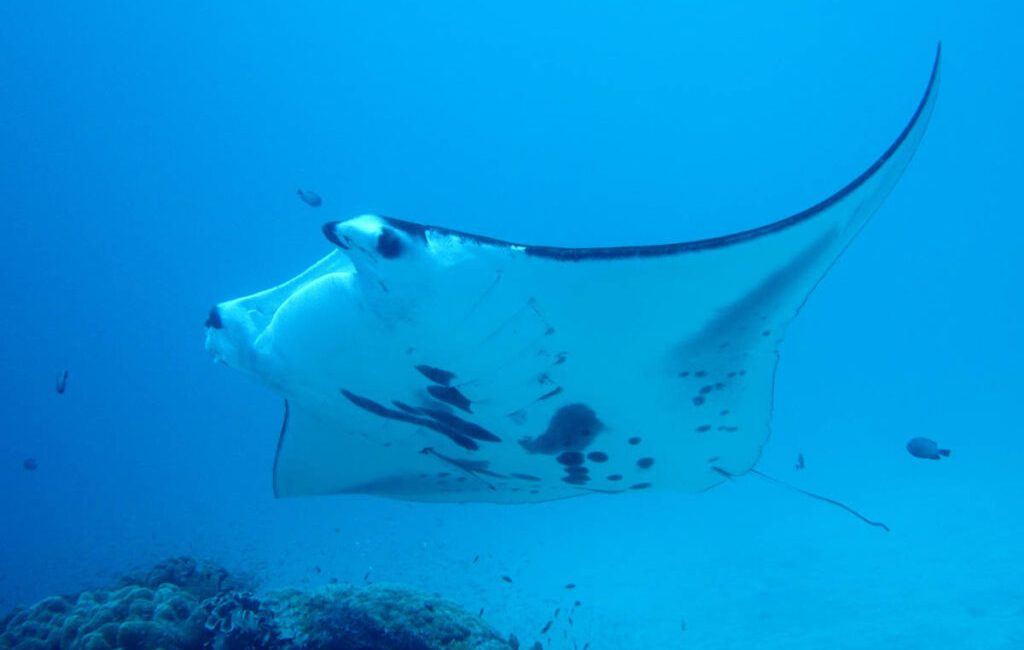
There are moments underwater when time seems to slow, when the rush of bubbles fades into the background and the ocean feels more like a cathedral than a wilderness. For many divers, that moment arrives when a manta ray glides into view. It is not just the size or the wingspan that captures attention. It is the effortless calm, the quiet intelligence, and the sense of balance that mantas seem to embody.
Diving with mantas is often described as magical, but beneath the awe lies something deeper. These encounters reveal lessons about patience, awareness, and respect, shaping how divers move through the ocean and, sometimes, how they move through life.
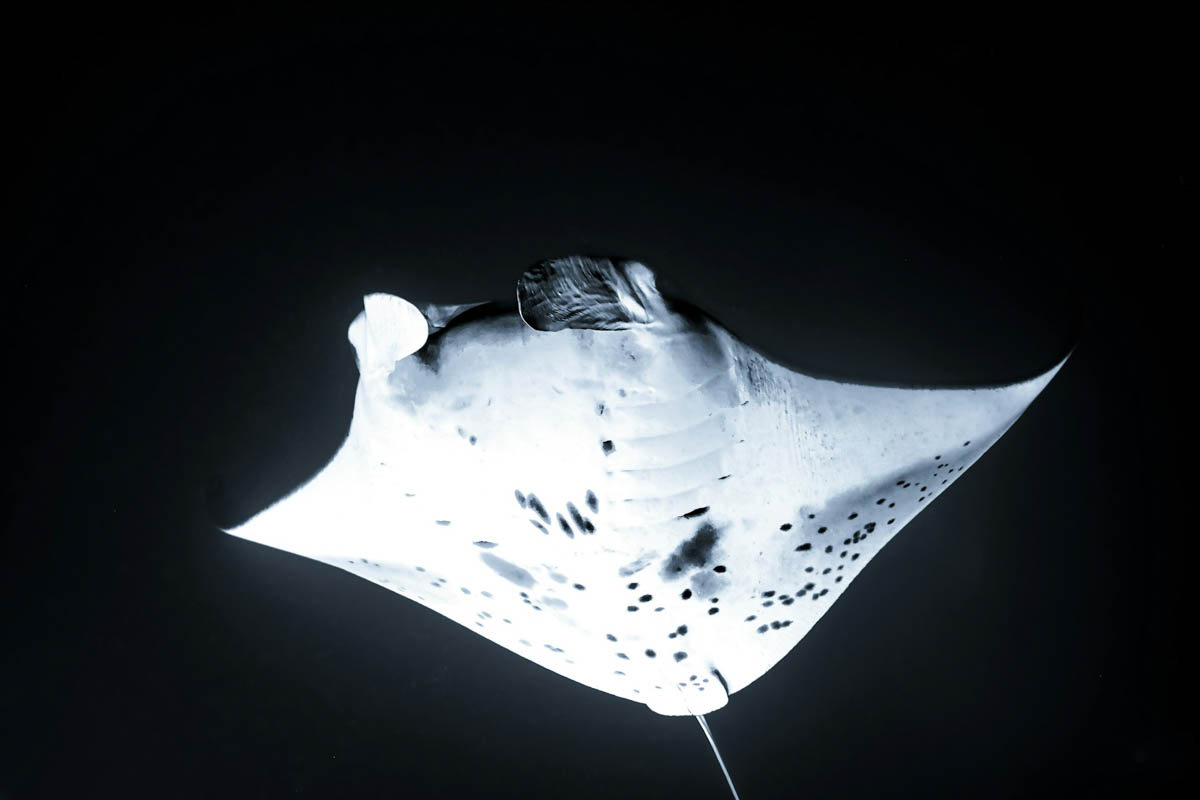
The Language of Movement
Manta rays rarely rush. Even when they travel quickly through open water, their motion feels controlled rather than urgent. Scientists studying manta behaviour have observed that they adapt their swimming patterns depending on habitat, moving steadily over deep water while drifting or circling slowly in reef environments where food or cleaning opportunities exist. Research into reef manta ecology highlights how these animals visit specific sites repeatedly, demonstrating a strong connection to place and rhythm within their environment.
For divers, watching a manta glide overhead can change the way buoyancy is perceived. Every fin kick suddenly feels loud and unnecessary. The lesson arrives quickly: the ocean rewards efficiency, not force.
Grace underwater is not about dramatic movement. It is about minimizing impact. Many divers leave their first manta encounter realizing that stillness can be more powerful than motion.
Cleaning Stations and the Art of Trust
One of the most iconic manta encounters happens at cleaning stations. According to research shared by the Manta Trust, these sites function like underwater health hubs where smaller fish remove parasites and dead skin, allowing mantas to maintain physical condition and recover from injuries. The rays often hold position almost motionless while cleaner fish work across their bodies.
For divers, cleaning stations teach a quiet form of discipline. The best manta experiences occur when divers become observers rather than participants. Studies examining diver interactions have shown that passive behaviour reduces stress and allows mantas to continue natural routines, reinforcing the idea that respectful distance leads to more authentic encounters.
Watching a manta submit to cleaning reveals a form of vulnerability rarely associated with large marine animals. It reminds divers that even ocean giants depend on cooperation and balance within ecosystems.
Intelligence Without Ego
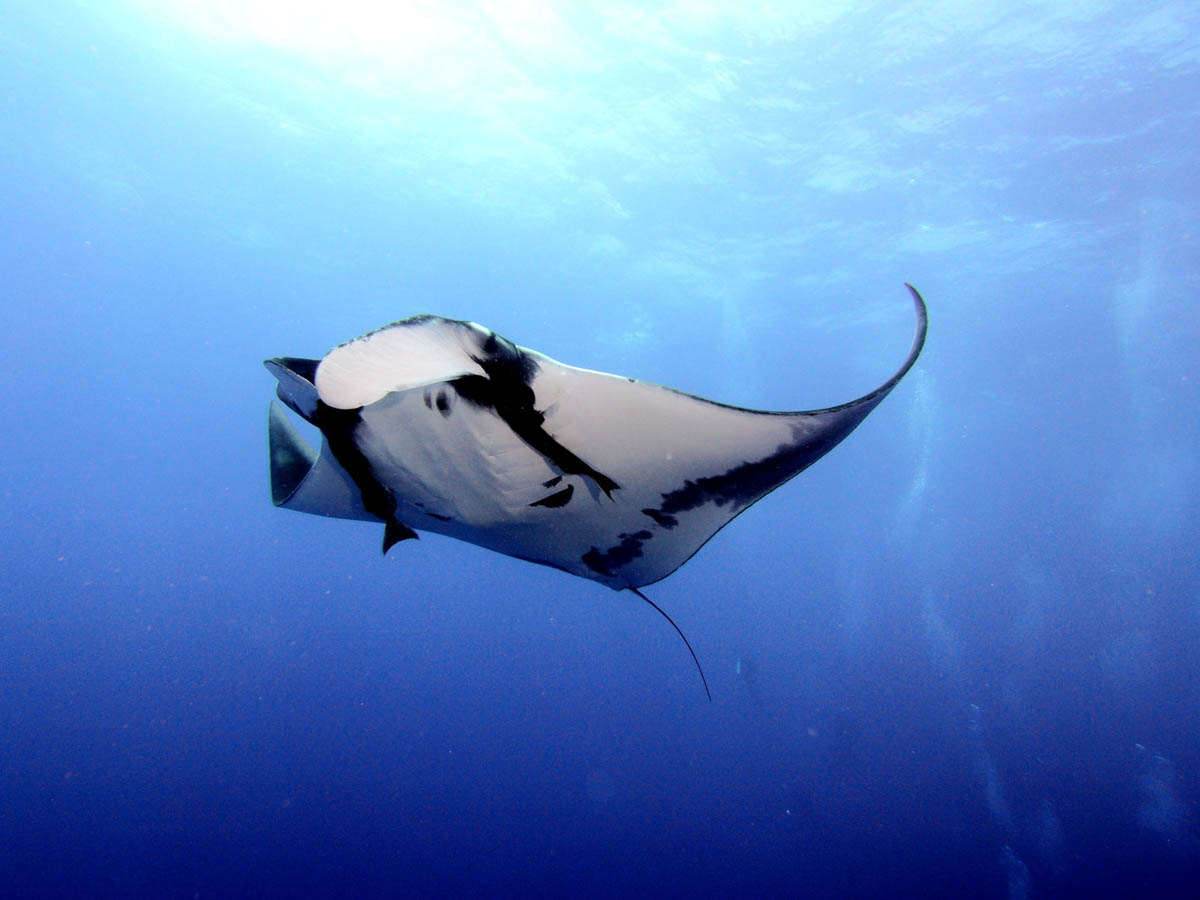
Mantas possess the largest brain-to-body ratio of any fish, displaying signs of problem-solving ability and complex behaviour. Guidance from educational resources like SSI’s manta ray conservation overview highlights growing evidence that mantas may demonstrate curiosity and social awareness, traits that divers often interpret as friendliness when rays circle slowly overhead.
Yet their behaviour rarely feels performative. Unlike dolphins or sea lions, mantas do not appear to seek attention. Their interactions with divers are subtle, often defined by curiosity rather than engagement.
This creates a powerful contrast. Humans often equate intelligence with dominance or visibility, while mantas seem to embody intelligence through calm presence. Many divers describe feeling smaller, quieter, and more reflective after a close encounter, as if the animal’s composure reshapes their own.
Why Stillness Matters to Marine Life
The grace of manta encounters is not accidental. Scientific research has explored how diver behaviour influences manta responses, noting that sudden movements or attempts to chase the animals can disrupt feeding or cleaning routines. Observational studies analysing diver interactions have grouped behaviours into passive and active categories, finding that respectful, non-intrusive approaches support more natural manta activity.
This reinforces a broader lesson about diving ethics. The most memorable experiences often happen when divers slow down, hover neutrally, and allow the ocean to unfold without interference. Grace becomes less about aesthetics and more about responsibility.
In many ways, mantas act as teachers. They reward patience with proximity, encouraging divers to refine buoyancy control and situational awareness. The quiet discipline required to share space with a manta becomes a metaphor for mindful diving itself.
The Fragility Behind the Beauty
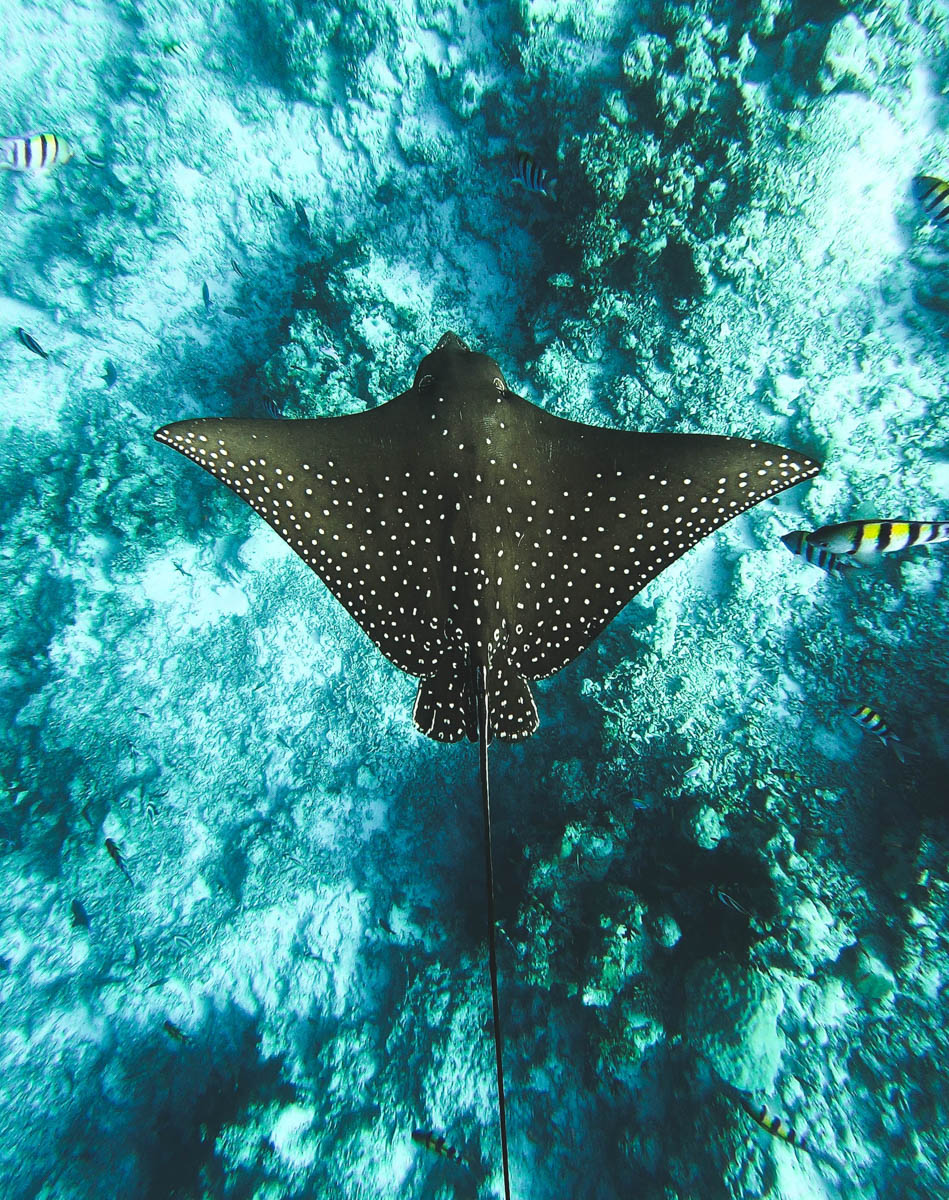
Grace in the water does not mean safety on a global scale. Despite their calm presence, mantas face significant threats from fishing pressure, bycatch, and demand for gill plates. Conservation assessments emphasize that their slow reproductive rates make recovery difficult when populations decline. Reports examining mobulid rays highlight how exploitation and habitat pressures continue to threaten long-term survival.
Understanding these risks adds weight to every encounter. A manta’s slow, elegant pass overhead becomes more than a moment of beauty. It becomes a reminder of responsibility.
When divers witness the ease with which mantas navigate currents and reefs, it is easy to forget how vulnerable they are beyond protected dive sites. The contrast between grace and fragility often reshapes how divers think about conservation, shifting perspectives from tourism to stewardship.
Lessons Divers Carry to the Surface
After diving with mantas, many divers notice subtle changes in their own behaviour underwater. Movements become softer. Breathing slows. Awareness expands beyond personal experience to include the wider environment.
These shifts are not accidental. Mantas teach by example. Their presence encourages divers to move with intention rather than urgency, to observe rather than pursue, and to appreciate that the ocean’s most powerful moments often arrive quietly.
Grace, in this context, is not simply elegance. It is harmony between movement and environment. It is the ability to exist in a space without dominating it.
And perhaps that is why manta encounters remain among the most transformative experiences in diving. Long after the bubbles fade and the gear is packed away, divers carry the memory of a creature that moves through the ocean without struggle, reminding them that the greatest mastery underwater often looks effortless.
THE SCUBA NEWS Link !
DemirHindiSG 22 Şubat 2026-00:38
