
 Nöbetçi Eczaneler






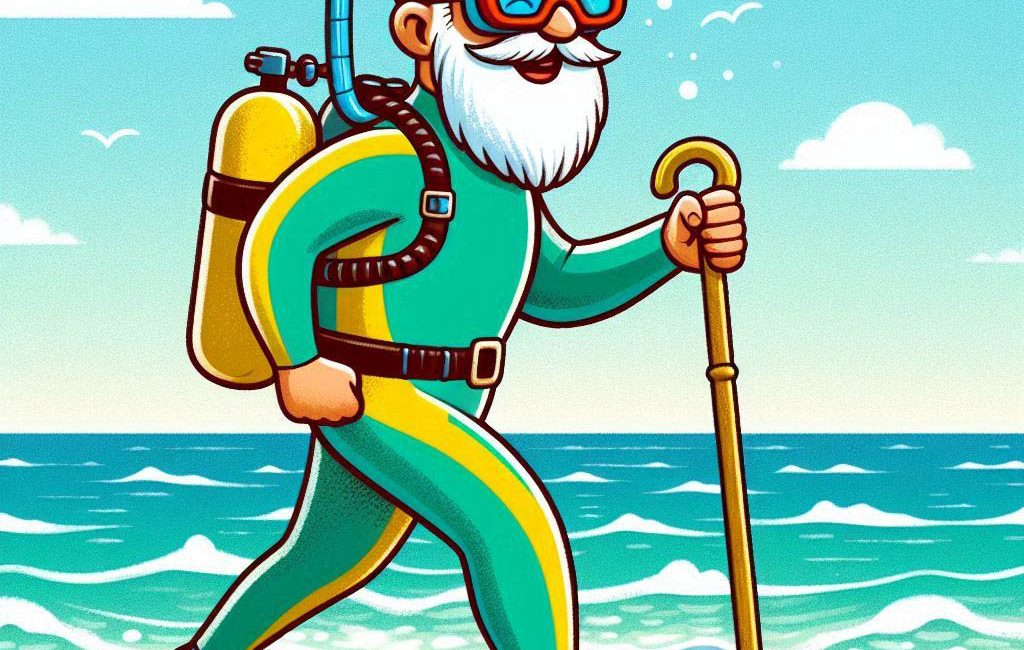
There Is No Upper Age Limit in Recreational Diving
The global recreational diving industry does not impose a maximum age limit for scuba diving. Training agencies focus on medical fitness rather than age, with PADI explaining in its guidance for older divers that certification and continued participation are open to anyone who is medically fit, regardless of how old they are, as outlined in its discussion of scuba diving for seniors on PADI’s official blog.
This approach reflects a broader industry consensus. Discussions of age limits within the recreational dive community consistently highlight that while minimum ages exist, upper age restrictions do not, with fitness and comfort underwater taking precedence over date of birth, as explored in overviews of scuba age limits published by Wetsuit Wearhouse.
Why Age Still Matters Indirectly
Although there is no formal age cutoff, ageing brings physiological changes that can affect diving safety. Divers Alert Network, the leading authority in dive medicine, emphasises that as divers age they should increase the frequency of medical evaluations, recommending periodic assessments after age 45 and annual reviews after 65 to ensure ongoing medical fitness, as detailed in DAN’s guidelines for lifelong dive fitness published by Divers Alert Network.
Medical research supports this cautious approach. Peer-reviewed studies examining ageing and diving physiology show that cardiovascular disease, reduced lung compliance, and slower recovery times become more common with age, increasing the importance of health screening rather than disqualifying older divers outright, according to research published via the National Library of Medicine.
Cardiovascular Health Is the Key Factor
Of all age-related considerations, heart health is the most critical for divers. Immersion, pressure, exertion, and thermal stress combine underwater to place unique demands on the cardiovascular system. Divers Alert Network notes in its analysis of ageing and diving that cardiac events represent a significant proportion of serious dive incidents among older divers, reinforcing why cardiovascular screening is essential rather than optional, as discussed in DAN’s ageing diver resources at dan.org.
This does not mean older divers are unsafe by default. It means that divers who maintain good cardiovascular fitness, manage blood pressure and cholesterol, and dive conservatively often remain safer underwater than younger divers who neglect their health.
How Diving Changes as You Get Older
Age can subtly change how diving feels and how it should be approached. Reduced muscle strength, decreased flexibility, and slower thermal regulation may affect entry techniques, equipment choices, and dive duration. PADI highlights in its senior diver guidance that many older divers adapt by choosing calmer conditions, wearing more thermal protection, and allowing longer surface intervals, adjustments discussed in its overview of mature-age diving on blog.padi.com.
Lung function can also change with age. Medical literature examining respiratory physiology in divers notes that while most age-related changes are gradual, they can influence gas exchange and equalisation comfort, reinforcing the importance of conservative dive profiles, as outlined in diving health resources compiled by the National Library of Medicine.
Starting Scuba Later in Life
One of the most persistent myths in diving is that scuba is something you must start young. In reality, many people take their first breaths underwater in their 50s, 60s, or later. Training agencies and dive medicine professionals agree that late-start divers often approach diving more cautiously and responsibly, which can enhance safety. Accounts of older first-time divers, including examples of record-setting senior divers, are frequently cited in discussions about age and scuba by sources such as Wetsuit Wearhouse, underscoring that age alone is not a barrier.
When Do Divers Usually Stop?
Most divers do not stop because they reach a certain age. They stop because of mobility limitations, declining health, or a personal decision that the physical demands no longer feel enjoyable. Community discussions among experienced divers often reflect this reality, with many reporting that they simply adjust their style of diving rather than giving it up entirely, as seen in first-hand accounts shared within diving forums and communities such as those discussed on Reddit’s scuba diving discussions.
Listening to your body, diving within your limits, and being honest about your comfort level are more important indicators than age itself.
So, What Age Is Too Old for Scuba Diving?
The evidence leads to a clear conclusion: there is no age that is automatically too old for scuba diving. Recreational diving organisations, dive medicine experts, and medical research all point to the same answer. Fitness, cardiovascular health, and realistic self-assessment matter far more than the number on your birthday cake.
For many divers, the ocean remains accessible well into later life, provided they adapt, dive conservatively, and prioritise health. Age may change how you dive, but it does not have to define when you stop.
THE SCUBA NEWS Link !
DemirHindiSG 15 Ocak 2026-00:17