
 Nöbetçi Eczaneler



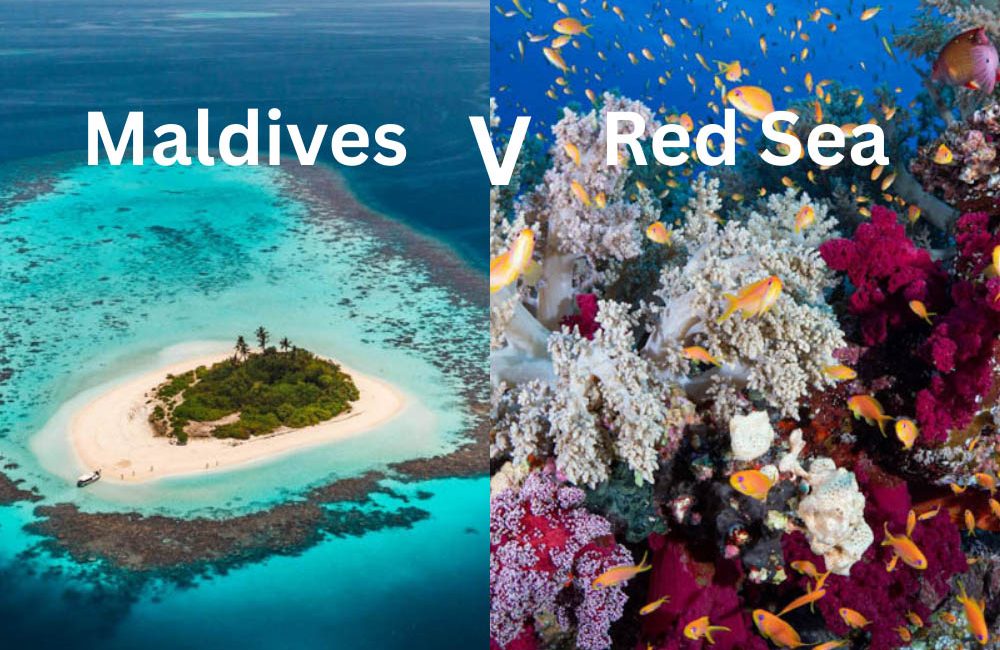
Choosing between the Red Sea and the Maldives is not about which destination is “better.” It is about what kind of diving experience you want next.
The Red Sea delivers dramatic reef structure, vivid visibility, and historic wrecks in a compact, high-impact format. The Maldives, by contrast, is driven by currents, timing, and oceanic movement, where a single perfectly timed dive can deliver manta rays, sharks, and dense fish life in extraordinary numbers. Both destinations sit at the top of global dive travel lists, but they reward very different diver preferences.
How the diving actually feels underwater
In the Red Sea, dives are defined by structure. Sheer walls, coral plateaus, pinnacles, and wrecks give divers clear reference points and a strong sense of orientation. Many dives naturally progress through phases, starting deep along a wall, moving into blue water for pelagic sightings, and finishing with a slow reef exploration.
Seasonal guidance published in Liveaboard.com’s overview of the best time to dive the Red Sea explains how the region offers reliable conditions year-round, with spring and autumn widely considered the most comfortable periods for temperature and sea state.
In the Maldives, the ocean dictates everything. Channel dives, known as kandus, and submerged pinnacles called thilas come alive only when tidal flow is right. Incoming currents concentrate nutrients and trigger feeding behaviour, drawing sharks, mantas, and schooling fish into narrow passages. When conditions align, the action can be intense and unforgettable.
This dynamic is central to seasonal advice outlined in Liveaboard.com’s guide to the best time to dive the Maldives, which details how monsoon patterns influence visibility, plankton levels, and marine life encounters depending on atoll location.
Conditions and seasonality
The Red Sea is often praised for consistency. Water temperatures typically range from around 22°C in winter to 28°C or more in summer, while visibility frequently exceeds 25 metres. According to PADI’s official Egypt diving destination guide, the region supports year-round diving with relatively predictable conditions, making it appealing for divers who value reliability.
The Maldives remains warm throughout the year, but conditions vary more noticeably. The southwest and northeast monsoons affect surface conditions, underwater visibility, and current strength. Information published by the Maldives Meteorological Service helps explain why certain seasons favour clearer water, while others increase plankton and attract larger filter-feeding species.
In simple terms, the Red Sea usually delivers steady quality across an entire trip, while the Maldives delivers peaks that depend heavily on timing.
Marine life encounters
The Red Sea offers dense biodiversity concentrated on compact reef systems. Healthy coral, abundant reef fish, turtles, reef sharks, and seasonal pelagic species are common. What sets the region apart is its ability to combine thriving reefs with historically significant wrecks, creating a rare blend of natural and cultural diving.
Seasonal summaries from Liveaboard.com’s Red Sea diving calendar highlight how offshore routes increase the likelihood of encounters with oceanic whitetip sharks and other pelagics during specific months.
In the Maldives, the emphasis shifts toward probability rather than variety. Channels act as feeding corridors, particularly during incoming tides, drawing grey reef sharks, eagle rays, manta rays, and occasionally whale sharks into predictable locations.
Some of the most important aggregation sites are heavily protected. Hanifaru Bay, for example, is regulated under Maldivian law, with official guidance published by the Baa Atoll Biosphere Reserve explaining why diving is restricted during peak manta feeding events to minimise disturbance.
Dive style and experience level
Many divers find the Red Sea approachable because exceptional dives do not always require advanced current skills. While offshore marine parks demand experience, many iconic sites remain accessible to confident recreational divers. The combination of visibility, structure, and manageable currents also makes the region popular with underwater photographers.
The Maldives can be more demanding. Highlight dives often involve negative entries, strong currents, reef hooks, and blue-water ascents. Divers who are uncomfortable with fast-moving water may find some itineraries challenging, while those who enjoy dynamic conditions often consider the Maldives among the most exciting destinations in the world.
Liveaboards and access
In the Red Sea, liveaboards unlock remote reefs, extended wall systems, and famous wreck routes. While land-based diving around established coastal hubs is excellent, liveaboards provide the greatest variety within a single week. Management of key sites such as Ras Mohammed is overseen by Egypt’s Environmental Affairs Agency, reflecting long-standing conservation frameworks linked closely to dive tourism.
In the Maldives, liveaboards offer flexibility. Because the best diving can shift between atoll sides with the seasons, the ability to move allows operators to follow optimal conditions. This mobility is one reason experienced Maldives divers often favour liveaboards when pelagic encounters are the primary goal.
Sustainability and protection
Both destinations face pressure from popularity, but both have meaningful protection measures in place.
In Egypt, marine protected areas such as Ras Mohammed National Park have long been central to conservation strategy. More recently, Egypt formally designated the Red Sea “Great Coral Reef” as a protected area, a move announced by the Egyptian State Information Service, reinforcing the ecological importance of the region.
In the Maldives, protection is often site-specific and strictly enforced. Regulations outlined by the Baa Atoll Biosphere Reserve Office shape diver behaviour, vessel access, and activity limits at sensitive sites.
For divers, the takeaway is clear: responsible operators and respectful diving practices matter more than ever.
Which should you choose?
Choose the Red Sea if you want variety, dramatic structure, wrecks, and consistently strong conditions, with the ability to enjoy relaxed reef dives and more advanced offshore sites on the same trip.
Choose the Maldives if you want current-driven action, high-probability encounters with mantas and sharks, and you are comfortable letting tides and timing shape your experience.
THE SCUBA NEWS Link !
DemirHindiSG 09 Ocak 2026-17:05
