
 Nöbetçi Eczaneler






Sea turtles are the original reef royals, older than the corals they graze past and the sharks that share their water. For divers, few moments beat the calm eye contact with a grazing green or the purposeful glide of a hawksbill over a spur and groove reef. This feature is your field guide to places where turtles still reign, why these sites work so well for them, and how divers can keep it that way without turning conservation into a spectator sport.
Meet the reef royals
Seven living species of sea turtle patrol our oceans. Greens and hawksbills are the icons of coral reefs, while loggerheads, leatherbacks, and olive ridleys range more widely. Kemp’s ridley and flatback have narrower distributions. Most species remain threatened, with hawksbill and Kemp’s ridley critically endangered and several others listed as vulnerable. Every species depends on conservation for survival. If you dive with a turtle today, it’s because protection efforts kept a population viable somewhere, as highlighted by the IUCN Marine Turtle Specialist Group.
Why certain reefs are still turtle strongholds
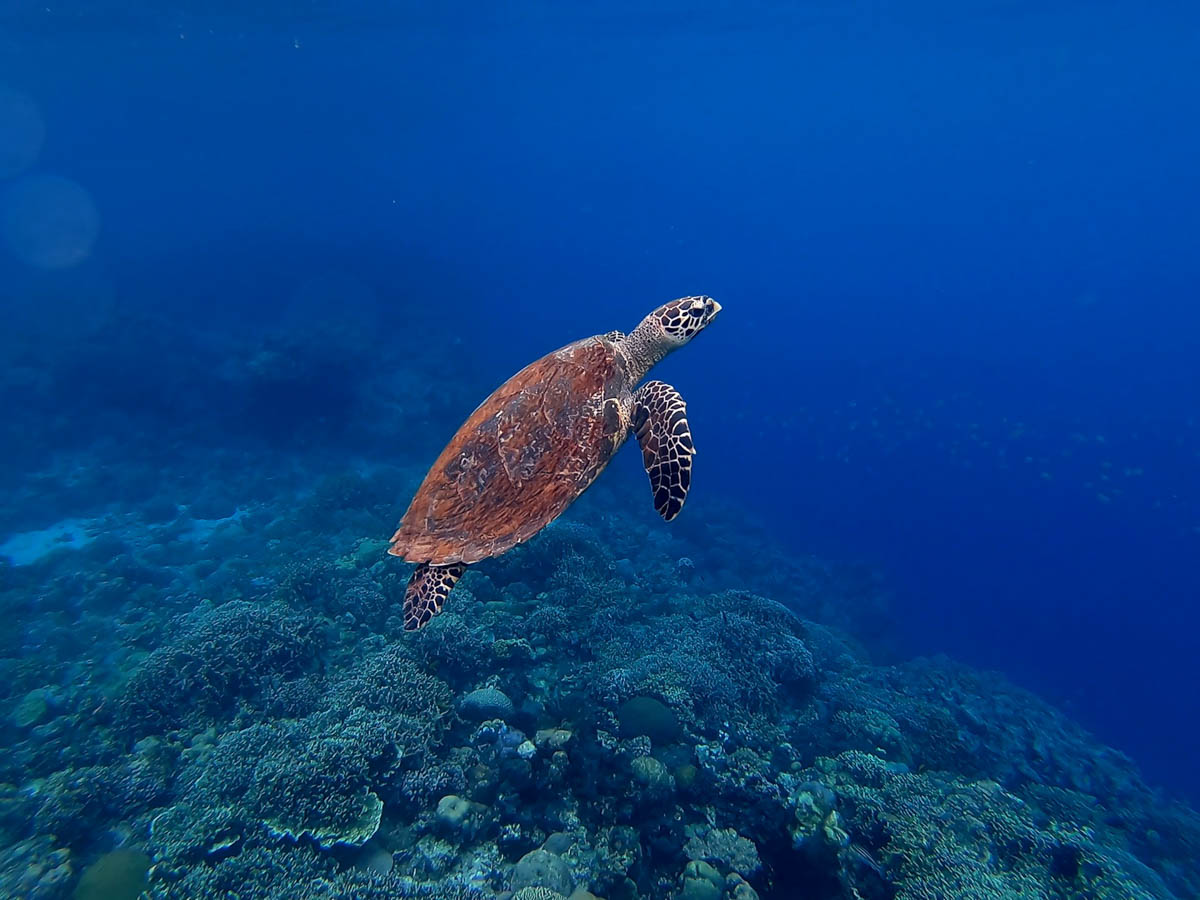
Turtle hotspots begin with habitat. Greens follow seagrass meadows and algal turf, while hawksbills target sponge-rich coral walls. Add stable food supply, oxygenated current, and strong local protection, and you create a reef where turtles thrive. In the Maldives, conservation groups such as Turtlewatch Maldives, the Atoll Marine Centre, and the Olive Ridley Project combine monitoring, rehabilitation, and ghost-gear recovery to safeguard foraging and nesting sites.
Temperature plays another critical role. Sea turtle sex is determined by incubation temperature rather than chromosomes. Warmer sands skew hatchlings female, while excessive heat can halt hatching altogether. Researchers are now trialling shading, irrigation, and relocation techniques to counterbalance this effect. For a clear breakdown, see the Sea Turtle Status report on temperature-dependent sex determination.
The classic turtle capitals for divers
Sipadan, Sabah, Malaysia
If there’s a global benchmark for turtle density, Sipadan still holds the crown. Greens and hawksbills rest on ledges and commute past Barracuda Point in remarkable numbers. Strict permit limits preserve the balance, ensuring encounters remain natural and awe-inspiring.
The Maldives, Indian Ocean
Around North and South Malé Atolls, hawksbills spiral over coral thilas while greens browse seagrass in Lhaviyani’s lagoons. Visitors can join resort initiatives that record sightings and support rehab programmes led by the Atoll Marine Centre and the Olive Ridley Project. Responsible operators help transform tourist interest into tangible protection.
Northern Red Sea, Egypt
At Ras Mohammed National Park, hawksbills are often spotted along the soft coral walls at Shark and Yolanda Reef. Citizen-science projects like Turtlewatch Egypt are logging individual IDs across Sharm and down toward Marsa Alam, providing valuable population data. Nearby seagrass bays such as Abu Dabbab remain reliable for grazing greens.
Cocos and the Galápagos Islands
Oceanic outposts like Cocos Island and the Galápagos may not be major rookeries, but they deliver stunning pelagic encounters where greens and hawksbills glide amid hammerhead schools. Local liveaboard operators frequently include turtle monitoring alongside their shark research programs, contributing to long-term datasets on migratory behaviour.
Costa Rica’s Two Coasts
On the Caribbean side, Tortuguero National Park hosts one of the world’s largest green turtle rookeries. Across the Pacific, Ostional Wildlife Refuge is famous for its olive ridley arribadas. Here, community-managed egg collection has coexisted with protection for decades, balancing livelihoods with sustainability.
The role turtles play on coral reefs
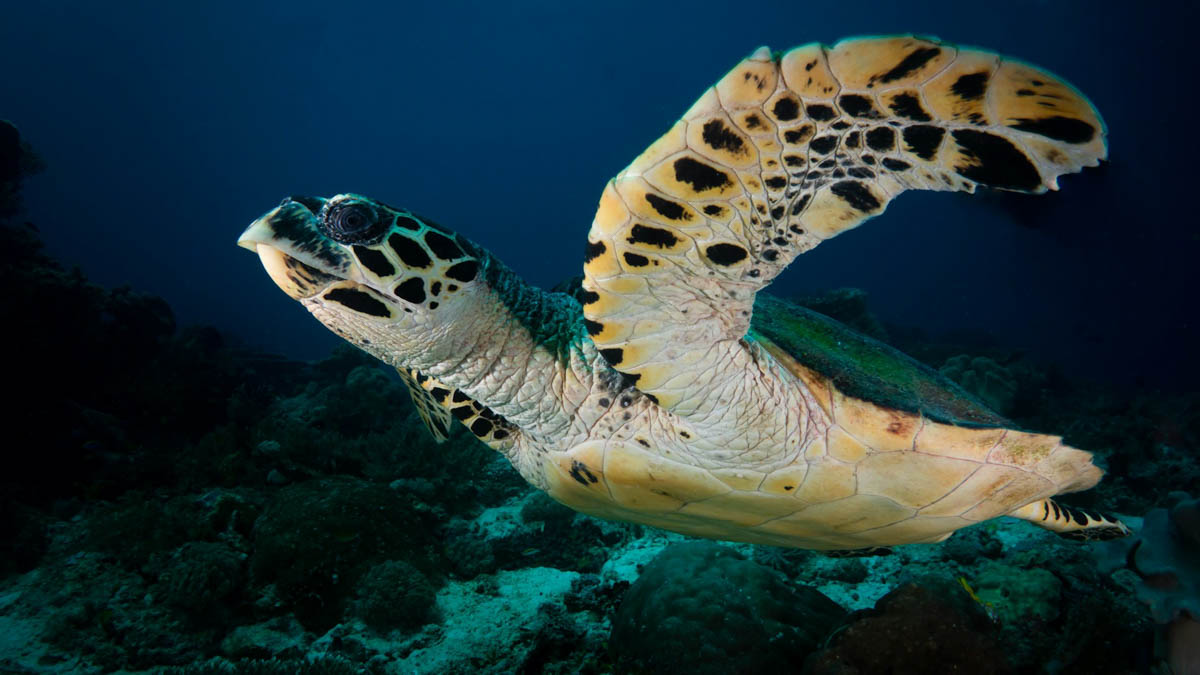
Greens are the gardeners of the sea, trimming seagrass and algae to keep meadows healthy. Hawksbills specialise in sponges, helping corals maintain the space they need to grow. These grazing and predation patterns sustain the reef’s structure and biodiversity. Protecting turtles is, in essence, protecting the reef’s natural maintenance system.
How climate and currents shape your chances
For the best turtle encounters, time your dives to biology. In calm early mornings, greens graze on shallow seagrass flats. Hawksbills prefer sponge-rich walls at 10 to 25 metres, often pausing for cleaning sessions. In current-swept zones such as Ras Mohammed, turtles shelter in eddies behind coral ridges, while in the Maldives, light outgoing currents bring them to the edges of thilas where photographers can approach without disturbance. Dive guides and local biologists often know the resident individuals and can advise on the best conditions to see them.
Field ethics when turtles rule the reef
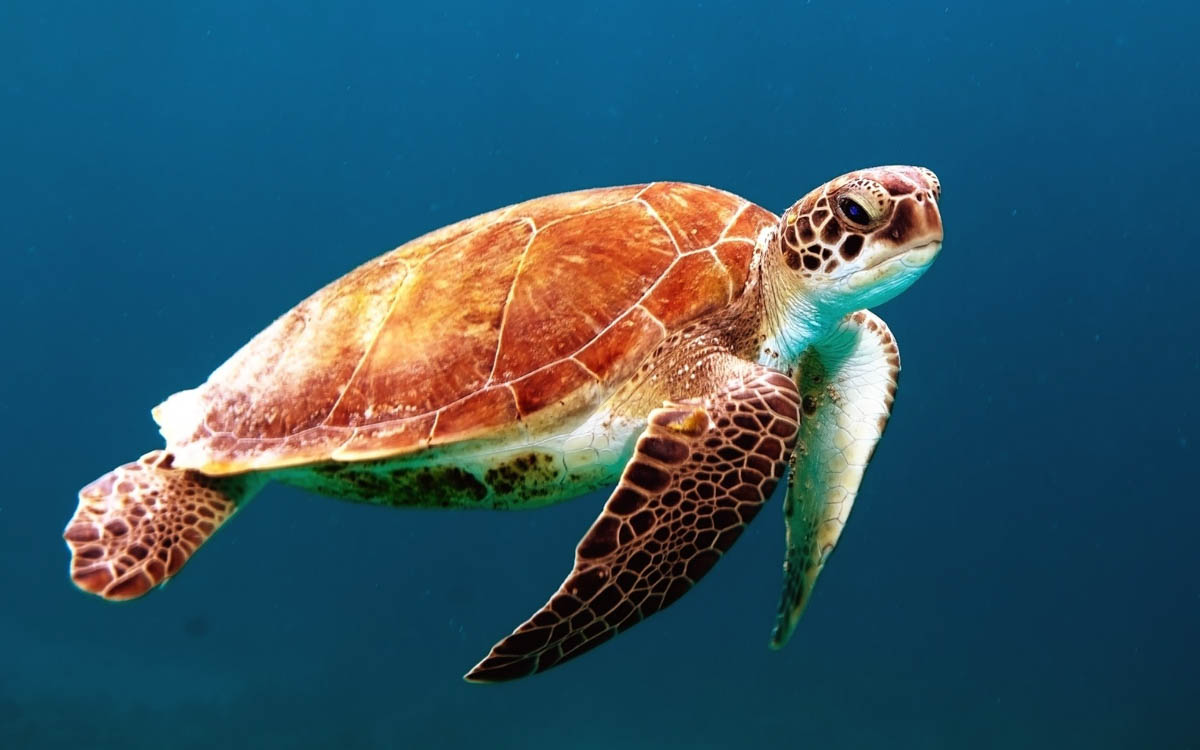
Great turtle encounters come from patience and respect. Approach slowly from the side, never from above, and avoid blocking their path to the surface. If a turtle turns away, you’re already too close. On nesting beaches, use red light and follow licensed guides. Underwater, minimise flash use, especially if a turtle shows signs of stress. Support dive centres that contribute photos to ID databases or fund rescue projects like the Olive Ridley Project. Your travel choices directly influence conservation outcomes.
Where the wins are coming from
Success stories exist. In the Maldives, ghost-gear retrieval and medical rehabilitation are returning turtles to the sea in growing numbers. In Costa Rica, decades of protection at Tortuguero have seen green turtle populations rebound. In Egypt, Turtlewatch Egypt and local NGOs are expanding monitoring across the Sinai coast. The lesson is universal: where protection is consistent and tourism is managed, turtle numbers rise.
Planning your turtle-forward dive trip
Choose destinations where turtle sightings result from healthy ecosystems, not interference. Ask operators about conservation partnerships and data-sharing projects. Respect permit systems, nesting closures, and seasonal limits. Add a night beach patrol with a licensed NGO to witness nesting and hatching responsibly – watching a female turtle finish her nest under starlight is one of diving’s most moving moments.
THE SCUBA NEWS Link !
DemirHindiSG 30 Kasım 2025-12:58