
 Nöbetçi Eczaneler






Scott Lindley, Head Optimist Coach of Southern Yacht Club and United States Optimist Dinghy Association (USODA) Development Program Director, examines what real success looks like in a Junior Sailing Program.
Many people assume a successful junior sailing program is defined by winning championships. But real success runs much deeper than results on a scoreboard. Too often, little thought is given to how success is truly built, or what it even means for a youth program or an individual developing sailor.
Parents, sailors, yacht clubs, and sailing organizations often believe that one coach, or a specific group of coaches, is what makes a program great. In reality, lasting success comes from a balanced combination of support from parents and the club, strong coaching, and an environment where sailors can learn, have fun, feel included, and contribute at their own pace and level.
This is the true foundation of a thriving program. Winning becomes a natural byproduct, not the primary objective. The growth and long-term health of any racing program depends on these principles.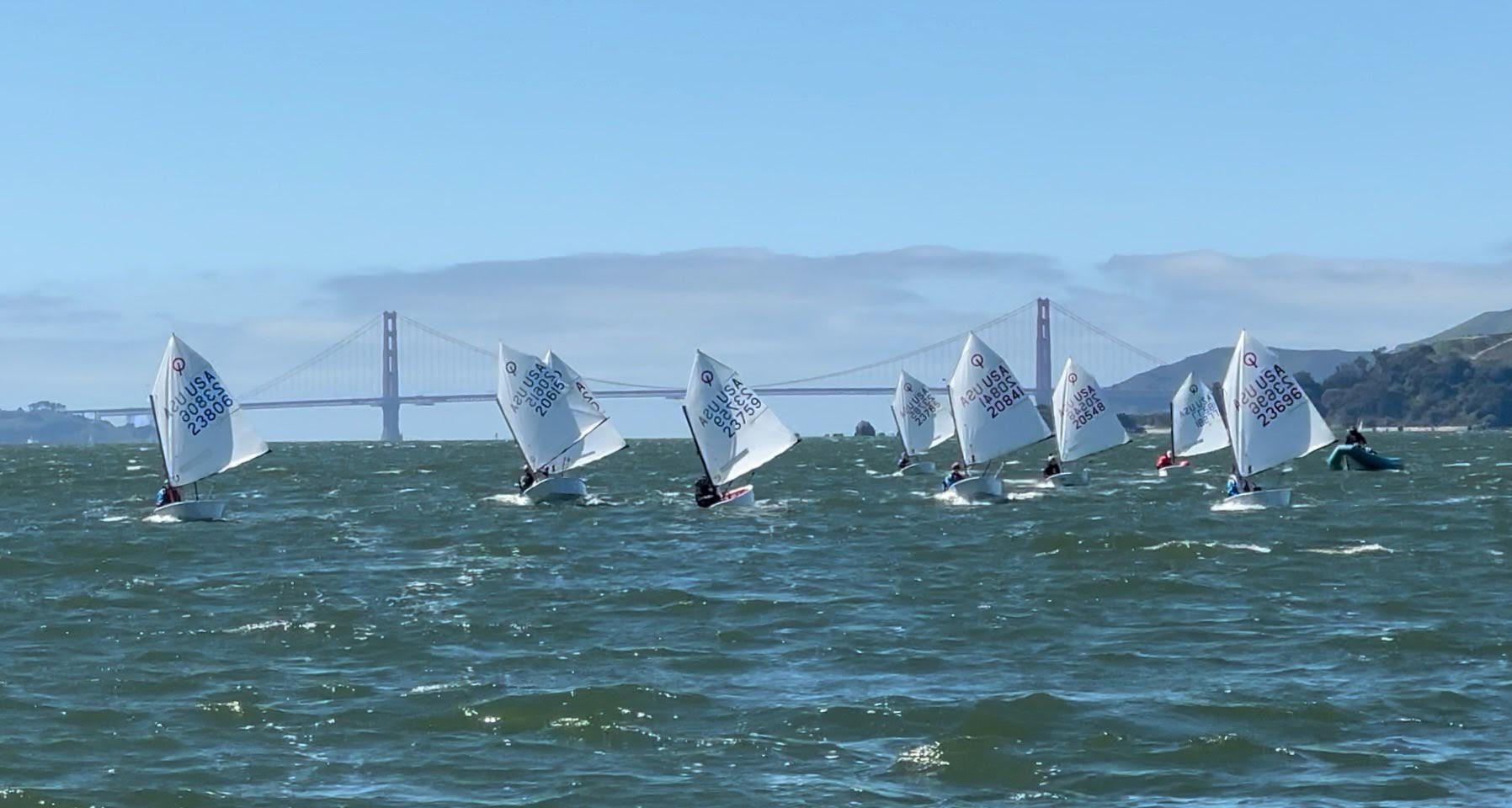
I have spent over 25 years developing youth Optimist sailors and currently serve as the USODA Optimist Development Program Director and USODA Development Team Head Coach, a role I’ve held for six years.
I’ve coached with the US Optimist Development Team, National Team and International Teams since 2006, and am the Head Optimist Coach at Southern Yacht Club. My primary mission is not simply to produce elite Optimist sailors, but to cultivate young people who love the sport enough to continue beyond Optis, whether competing at the Corinthian level or pursuing Olympic dreams.
I’m proud of the sailors who have followed this path. Former Opti sailors such as Ian McDermaid, Charlotte Rose, and Ford and Marshall McCann are now competing at the Olympic level. Others, like Wade Waddell, Ricky Welch, Wiley Rogers, Duncan Wiliford, Chris Wiliford, and Cody Stansky, have become major forces in the national sailing scene. These individuals are not only exceptional sailors; they are outstanding people. And that, more than anything, is the result of the environment described above.
Unfortunately, I’ve also seen many talented sailors burn out, quit, or lose their passion entirely. This almost always stems from programs that are unbalanced, overly pressurized, or focused solely on short-term success at the expense of long-term development and love for the sport.
Four common causes of program failure
1. Over-Coaching
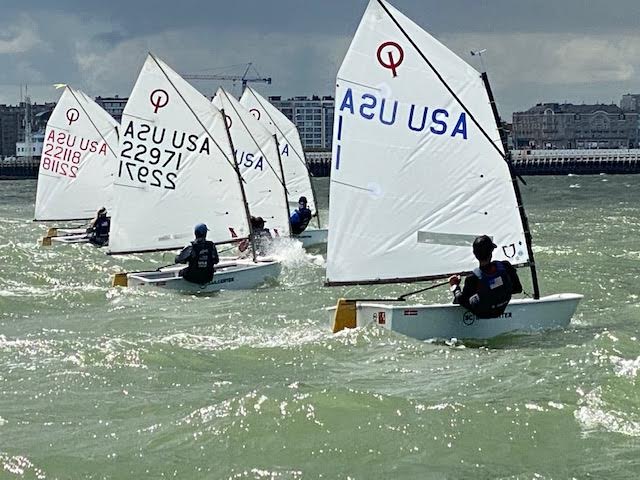
Pushing kids through excessive practice hours, constant on-water intensity, and endless briefings may look productive from the outside, but it often makes sailing feel more like a job than a sport. Today’s competitive calendar leaves very few free weekends for kids to simply be kids. Sailors need downtime, mental rest, and space to develop problem-solving skills without being spoon-fed answers. When coaches over-direct, sailors become dependent and lose confidence in their ability to make decisions independently.
2. A “Winning at All Costs” Mentality
It may feel counterintuitive, but placing winning above all else is damaging. Sailors develop at vastly different speeds. When winning becomes the only metric of value, many sailors feel constant disappointment, pressure, and failure. This mentality also fuels sportsmanship issues, anxiety, and unhealthy expectations, none of which support long-term engagement in the sport.
3. Communication Breakdowns
Poor communication derails programs more often than people realize. Confusion about schedules, expectations, or event details creates frustration for families and decreases “buy-in” from sailors. Equally important is how parents communicate around their sailors. Negative conversations about coaches, teammates, or program decisions can severely damage a child’s motivation and perception. In most cases, issues can be resolved easily with a direct, respectful conversation with the coach.
4. Entitlement
The belief that one deserves special treatment attitude, can erode team culture quickly. There is no “I” in team. Strong programs promote sportsmanship, teamwork, respect, and mutual support between sailors of all ages and ability levels. Helping younger and less experienced sailors not only strengthens the team; it builds leadership skills and humility in top sailors. Every sailor is unique in maturity, learning pace, and personality, and learning to work with different people is a valuable life lesson.
Common traits of sailors who excel beyond junior sailing
Whether they learned in Optis, Sabots, or another junior class, the sailors who continue thriving into high school, college, Olympic, or adult sailing share several attributes. These can, and should be developed intentionally:
1. Positive Attitude
Failure is an essential part of learning. Successful sailors know how to move through tough days and use setbacks as fuel for improvement.
2. Strong Sportsmanship
Respect on and off the water earns support from peers and coaches. It creates friendships, mentorships, and a far more enjoyable experience. Top sailors have respect for the rules and have enough confidence in their sailing ability to not have to break rules to get results.
3. Coachability
Listening well, asking questions, taking notes, and being open to feedback accelerates learning.
4. Work Ethic
Consistent practice and regatta attendance matters. Great sailors use downtime productively, practicing boat handling, tuning with teammates, checking wind shifts, or studying the starting line when in-between drills or in-between races.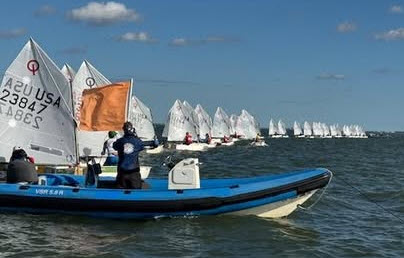
5. Fitness
Sailing can be physically demanding, especially over four-day regattas. Fit sailors can maintain speed, focus, and mental sharpness for all conditions thrown at them.
6. Self-Reliance & Accountability
Top sailors own their preparation: rigging, equipment care, packing gear, and setting goals. Parental involvement should not replace personal responsibility.
7. Proper Nutrition
Hydration and fueling during long days on the water are crucial. Mental and physical performance drop quickly without them.
8. Sleep
Proper rest dramatically impacts mood, decision-making, and on-water performance.
9. The X-Factor: Passion (Most Important)
The best sailors truly love it. They crave learning, pushing themselves, crave improvement, and can’t wait to get back on the water.
Developing sailors takes time, patience, and balance
Building confident, capable, passionate sailors is a long-term process. I typically focus on one or two key skills at a time, with drills and discussions designed around those themes. We then run short races to apply concepts immediately. Repetition, in areas like boat speed and starting is essential, and video analysis is a powerful tool as well (one I admit I could use even more).
Just as vital as technical instruction is the mental game. Teaching sailors to manage emotions, frustration, nerves, anger, overconfidence, makes them smarter and more resilient competitors. Mistakes are not something to fear; they are gold mines for growth.
A successful junior sailor attends practices consistently, absorbs feedback, and competes in a mix of local, regional, and national events. These experiences give sailors perspective and benchmarks, helping them return to practice with clear goals and renewed motivation.
Final thoughts
Developing a sailor is a marathon, not a sprint. It takes time, patience, a healthy environment, a supportive community, and a balanced approach that prioritizes joy, growth, sportsmanship, and self-reliance. When these pieces come together, the results on and off the water are extraordinary. And when winning does happen, it’s simply the byproduct of doing things the right way.
SCUTTLEBUTT News Link !
DemirHindiSG 24 Kasım 2025-21:20