
 Nöbetçi Eczaneler





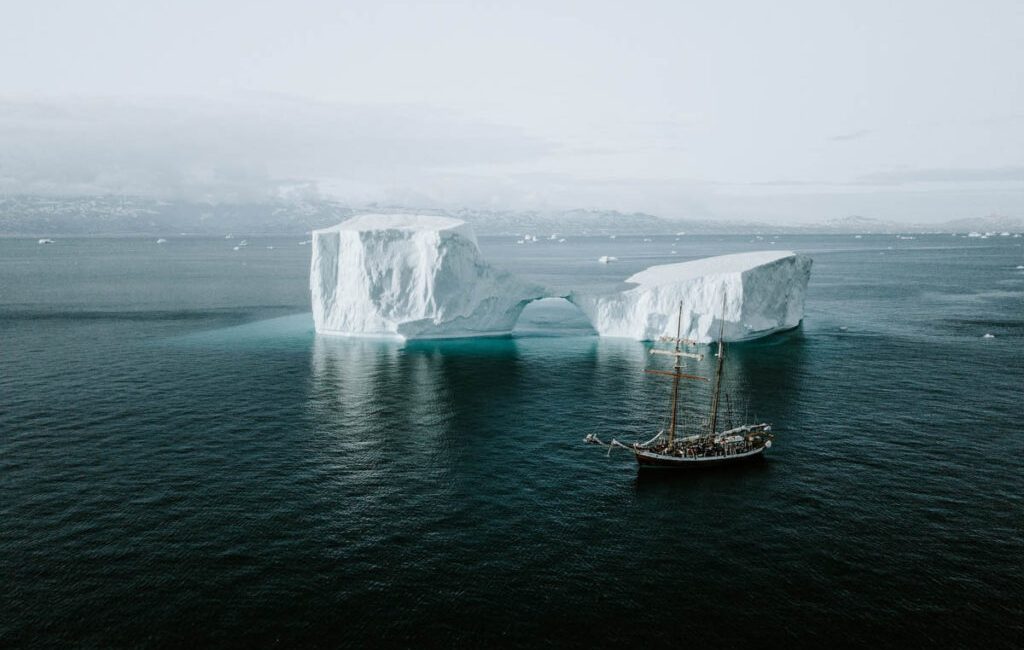
There is a quiet revolution underway. Divers who once planned every trip around bath-warm seas are pulling on hoods and gloves, zipping into drysuits, and pointing their compasses toward higher latitudes. Cold water is not a consolation prize, it is a different planet, rich with color and life, shaped by seasons, and best appreciated by those who come prepared. When you understand what the north gives you in exchange for a little chill, it is hard to stay away.
Cold water delivers a clarity of mind and often a clarity of water. In temperate seas, winter can bring calmer conditions and reduced plankton, which means long, luminous vistas in kelp forests and along granite walls. Even in regions such as Malta and the Mediterranean, local operators note that winter frequently brings clearer water and far fewer boats, allowing unhurried, wildlife-first diving experiences.
Preparation is the key that turns cold into comfort. Real warmth begins with the right training, which is why a dry suit course belongs near the top of a northern diver’s skill tree. Modern courses teach suit control, buoyancy, emergency procedures, and the small rituals that keep you dry and happy for the full season. The aim is not to be brave, it is to be competent, and the PADI Dry Suit Diver Specialty remains the most popular route for divers preparing for colder conditions.
Equipment choices matter more as the mercury falls. Regulators used in cold water must be EN250 or EN250A certified to ensure they can withstand water temperatures below 10°C without freezing. Simple decisions like using environmentally sealed first stages, avoiding purging at the surface, and carrying true gas redundancy turn cold water from risk to routine.
Thermal protection has become smarter too. Thick undergarments still do the heavy lifting inside a drysuit, but heated base layers and vests are now widely used, with battery systems designed specifically for the underwater environment. They are not a luxury on expedition-length dives, they are a safety margin that keeps cognition and dexterity sharp. According to Divers Alert Network, heated garments can play an essential role in preventing cold stress and maintaining diver safety.
Even so, it pays to know the line between invigorating and unsafe. Hypothermia is not a northern myth, it is a physiological response that appears long before a diver feels “frozen.” DAN’s guidance suggests most divers need thermal protection below 27°C, and significant thermal stress can occur below 24°C. Learn the early signs, such as shivering and clumsiness, and end the dive early rather than stretching the plan. Your buddy’s brain and fingers will thank you.
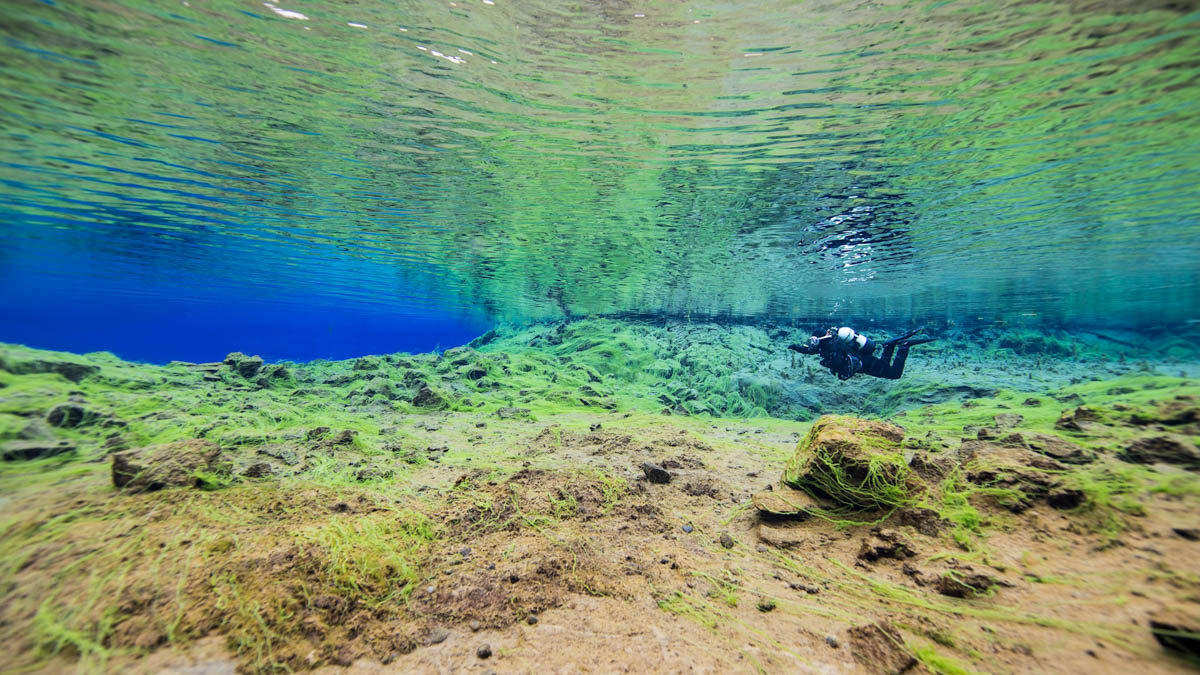
Photo by CHUNGHOI KIM on Unsplash
Why the North Is Irresistible Right Now
Iceland’s Silfra fissure remains one of the most extraordinary cold-water dives in the world. Sitting between the North American and Eurasian tectonic plates, its glacial water delivers near-endless visibility. The site requires drysuit certification or equivalent experience, a requirement that keeps the experience calm, focused, and safety-driven.
Across the Norwegian Arctic, winter is a season of whales. The herring gather, the orcas follow, and coastal towns like Skjervøy become launchpads for small-group, drysuit snorkeling encounters with humpbacks and orcas. Responsible operators emphasize strict wildlife interaction protocols to ensure that both divers and animals stay safe and undisturbed during the season’s peak months of November through January.
Farther west, Browning Pass on Canada’s Vancouver Island bursts with life when the plankton wanes. The walls are loaded with soft corals, anemones, and vibrant kelp, with resident wolf eels and giant Pacific octopus adding drama to every descent. It is cold, gloved diving that rewards controlled buoyancy and patience with the currents.
Scotland’s Scapa Flow remains Europe’s most storied cold-water destination. The scuttled German High Seas Fleet lies within reach of day boats and club charters, offering divers a mix of deep wreck exploration and historic storytelling. Orkney’s tides and unpredictable weather demand the same meticulous planning that northern diving everywhere requires.
On the far rim of the North Pacific, Hokkaido’s Shiretoko Peninsula transforms each winter into a drifting ice landscape. Ice-edge ecosystems here are stark, beautiful, and short-lived, with ice dives limited to a brief window between late January and early March. Local guides manage every aspect of the experience, ensuring divers can explore safely while respecting the fragile marine environment.

Photo by Oleksandr Sushko on Unsplash
The Kelp Factor
Cold water is home to the planet’s great kelp forests, living structures that rival tropical reefs in scale and biodiversity. These forests thrive in nutrient-rich upwelling and reward slow, deliberate exploration. For divers accustomed to coral, drifting through a sunlit kelp canopy feels like discovering an entirely new world.
How to Build Your North-Ready Plan
Start with proper training, dry suit certification first, then practice until donning, doffing, and valve drills are second nature. Choose a cold-water regulator designed for freezing conditions, maintain it regularly, and carry a redundant gas source that can be managed easily with thick gloves. Build your thermal system around thick, moisture-wicking undergarments, and incorporate heated layers only once you understand how battery life, wiring, and suit routing affect safety. Most importantly, plan your dives conservatively and finish while you still feel warm; cold impairs decision-making long before you realise it.
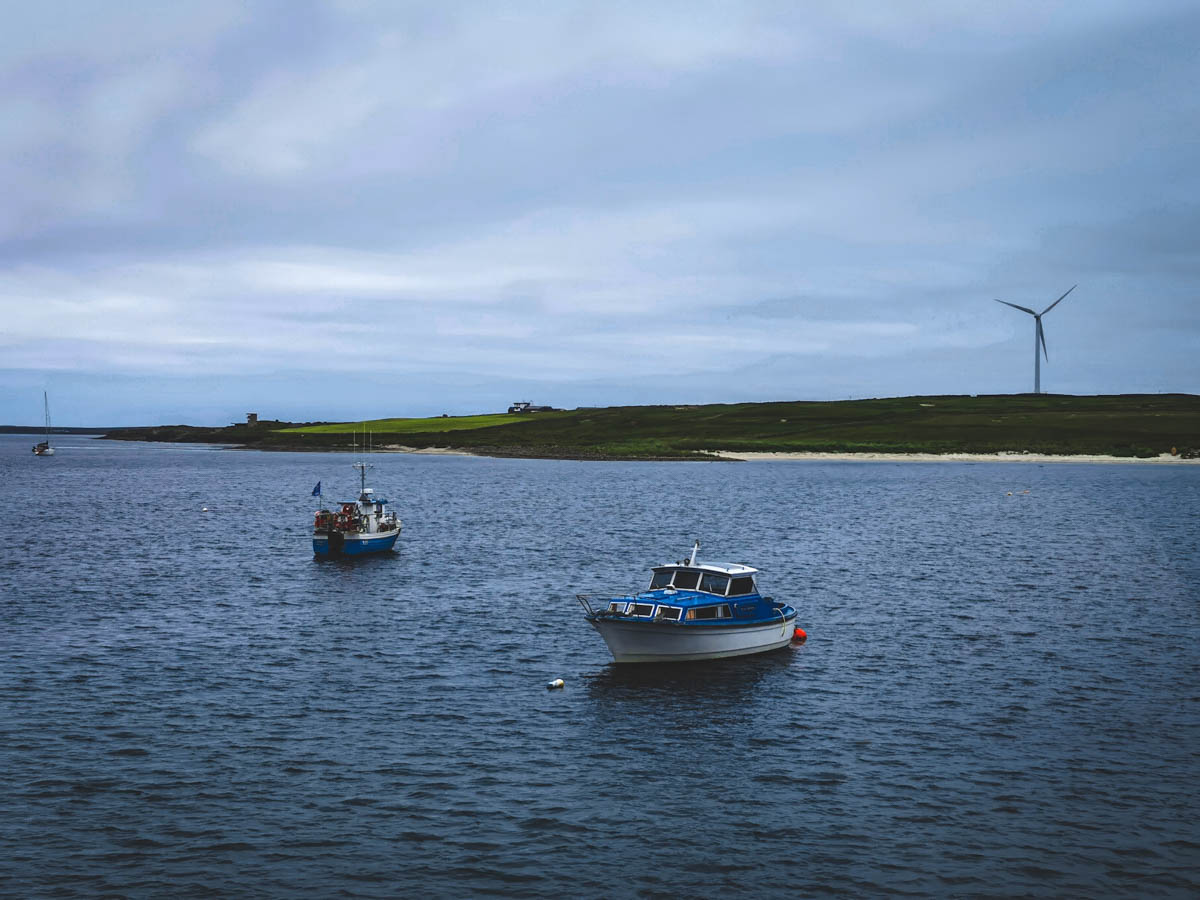
Photo by Ryan Denny on Unsplash
Where to Go Next
If you crave cathedral-clear water and precision, book Silfra in Iceland and pair it with a drysuit course in Reykjavík. If kelp and color call to you, head for Browning Pass in late autumn. For history and steel, Scapa Flow will change how you think about wreck diving. If marine life excites you, time a Skjervøy trip for the orca and humpback season. For something rare, monitor Hokkaido updates and be ready when the drift ice arrives.
Cold water will never feel like a tropical bath, and that is the point. It sharpens skill and attention, trades crowds for calm, and reveals ecosystems that glow with their own winter magic. Bring more preparation than you think you need, respect the cold, and you will understand why so many divers return home speaking reverently about green seas, golden kelp, and the soft thrum of a regulator in clear, icy water.
THE SCUBA NEWS Link !
DemirHindiSG 01 Aralık 2025-13:22